

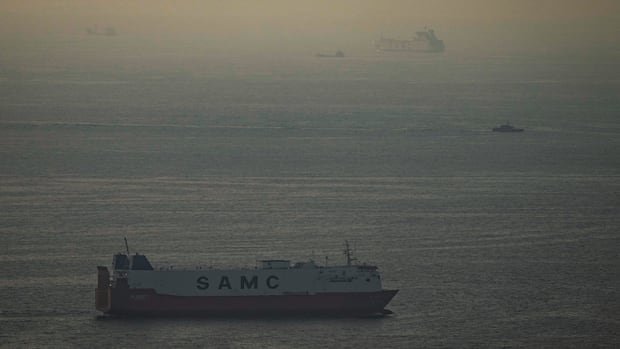

The recent closure of the Strait of Hormuz during the conflict between the U.S., Israel, and Iran has highlighted the vulnerability of a crucial oil supply route. This event has prompted discussions about the need for alternative options for oil exports to prevent future disruptions.
Analysts suggest that the temporary shutdown of the strait and the subsequent surge in oil prices have underscored the importance of diversifying export routes. Jim Krane, co-director of the Middle East Energy Roundtable at Rice University’s Baker Institute for Public Policy, emphasized the need for contingency plans to avoid similar situations in the future.
Following the onset of the conflict, Iran effectively blocked the narrow sea passage linking the Persian Gulf with the Gulf of Oman and the Arabian Sea, leading to a significant increase in oil prices. While Iran has now reopened the strait, oil prices remain elevated compared to pre-war levels.
Approximately 20% of the world’s oil is transported through the strait, serving as a vital export route for major oil-producing countries in the region. The International Energy Agency reports that an average of 20 million barrels per day of crude oil and oil products were shipped through the strait in 2025.
Despite the limited options to bypass the strait, current alternatives include the East-West Crude Oil Pipeline in Saudi Arabia and the Abu Dhabi Crude Oil Pipeline in the U.A.E. However, the combined capacity of these routes is insufficient to fully substitute for the strait’s closure.
Efforts to explore additional bypass options have gained momentum, with potential expansions of existing pipelines and the revival of dormant routes under consideration. These initiatives aim to enhance oil export capabilities and reduce reliance on the vulnerable strait.
While the timeline for implementing alternative routes varies, experts suggest that projects could take anywhere from two to seven years to complete. The urgency to secure alternative pathways has heightened in light of recent disruptions and geopolitical tensions affecting traditional export channels.
It is crucial to address the vulnerabilities of existing export pipelines, which have historically faced closures due to political conflicts and operational disruptions. The need for resilient and diversified export infrastructure remains a top priority for oil-producing nations in the Gulf region.