


A decline in the number of patients seeking treatment at HIV clinics in Senegal has been observed due to increased arrests targeting 2SLGBTQ+ individuals, as indicated by health officials and government data reviewed by Reuters. This trend poses a threat to the country’s efforts in combating the virus.
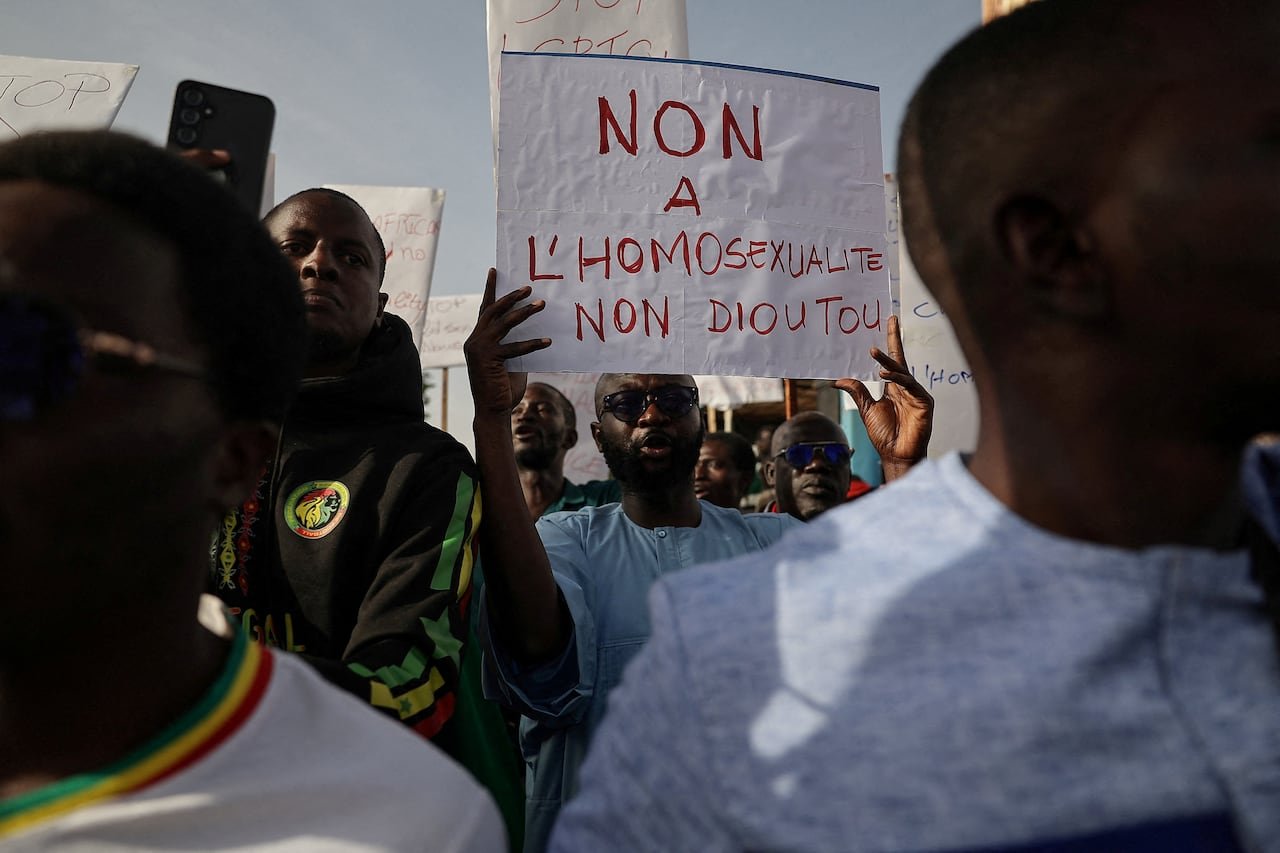
In a recent development, Senegal, where same-sex relationships are outlawed, raised the maximum prison sentence for such acts to 10 years and criminalized any activities promoting them. The country also raised the maximum fine to 10 million CFA francs ($24,450).
Reports from local human rights activists and media sources suggest that a total of 86 individuals have been apprehended in a crackdown that commenced in early February, coinciding with the government’s preparation to introduce the new anti-2SLGBTQ+ legislation in parliament. Among them, 18 were detained during a single operation on April 19 in Linguere, approximately 300 kilometers northeast of Dakar, resulting in two convictions under the revised law.
The arrested individuals face charges of “acts against nature” and, in certain instances, intentionally transmitting HIV to others. The government has not disclosed the exact number of arrests.
Data from the Senegalese government’s National Council for the Fight Against AIDS (CNLS), shared with Reuters, indicates that patients are refraining from accessing crucial antiretroviral medications, which are essential for HIV treatment and suppression, due to concerns about potential arrest or mistreatment.
Requests for comments from a government spokesperson, police representative, and a proponent of the law went unanswered.
In an unprecedented move, some Senegalese media outlets have exposed arrested persons to potential stigmatization and abuse by publishing their full identities and HIV statuses, noted Dr. Safiatou Thiam, a former health minister and executive director of CNLS. Dr. Thiam expressed concerns that the recent wave of arrests could negatively impact their efforts, emphasizing the importance of maintaining patient confidentiality and urging law enforcement to do the same.
Senegal is among the few countries in West and Central Africa that have witnessed a surge in new HIV infections in recent years, according to UNAIDS.
‘I don’t dare leave the house’
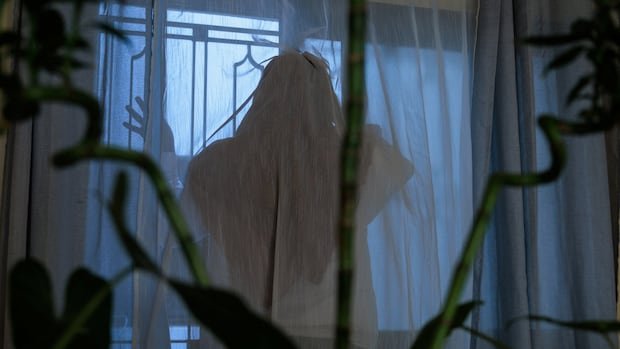
A member of the queer Senegalese community who previously distributed HIV prevention tools and tests in Dakar now lives in fear, avoiding going outdoors.
“I’m afraid to leave my house now, so I stay indoors constantly. I secure all doors and windows to avoid detection,” they stated anonymously due to fear of repercussions.
“I worry that there will be more deaths related to HIV … people may fear displaying or taking their medication. Some may even discontinue treatment out of fear of being associated or identified.”
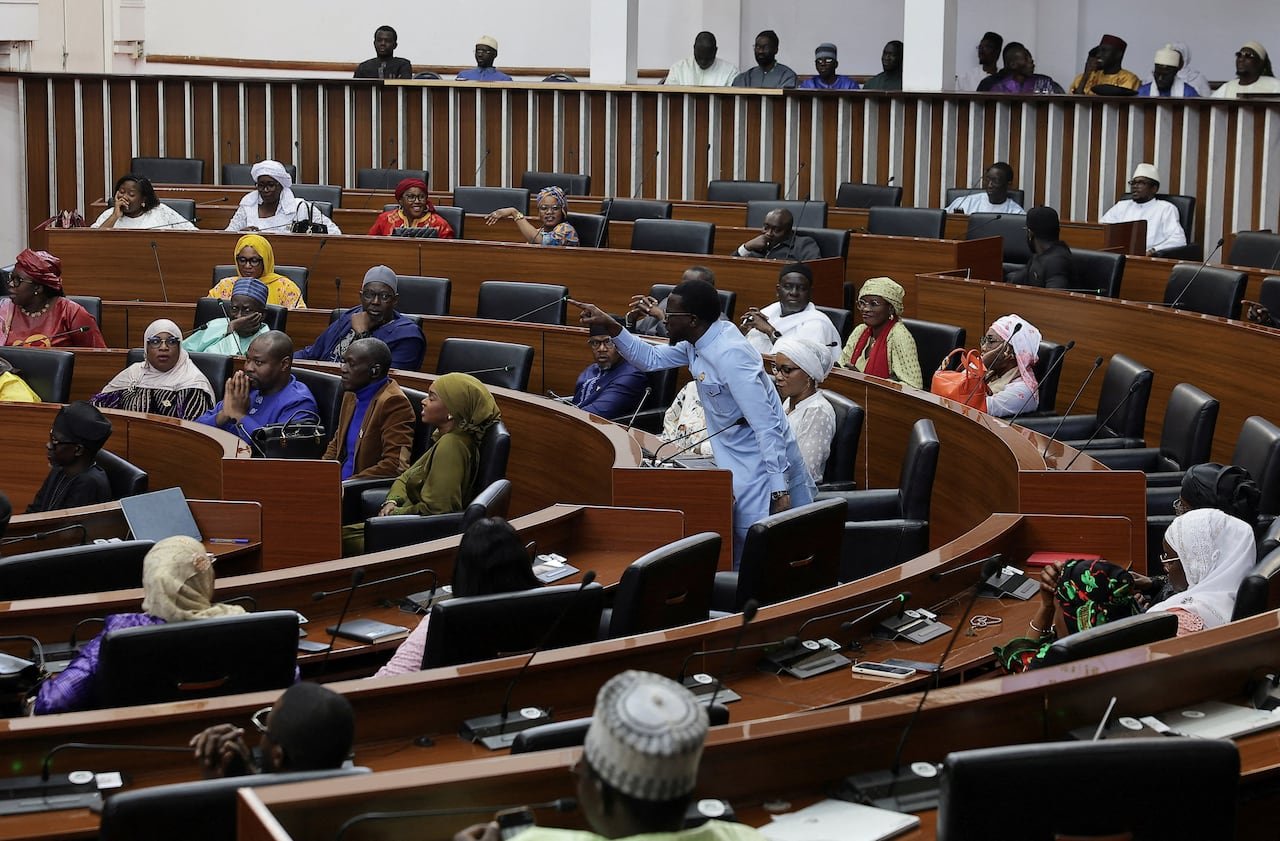
Earlier reports by Reuters revealed discussions between Senegalese supporters of the anti-2SLGBTQ+ legislation and a U.S.-based “pro-family” group that considers homosexuality a public health hazard.
Patients Express Fear of Arrests and Harassment
Following a warning from CNLS about potential decreases in HIV testing and treatment disruptions due to arrests, a survey was conducted at 22 HIV/AIDS treatment centers in Senegal over three days at the end of February.
<p