

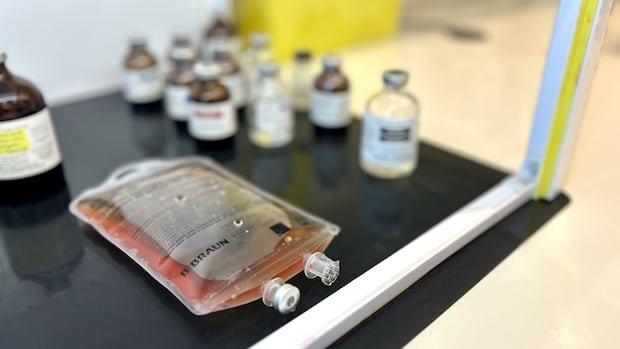

IV drips, commonly used in hospitals for administering medication directly into patients’ veins, have gained popularity in wellness spas. These spas offer pricey IV cocktails claiming various health benefits like boosting immunity or alleviating chemotherapy side effects. Despite these promises, medical experts caution that many of these claims lack evidence and may pose health risks.
The rise of IV hydration clinics is part of the rapidly growing medical spa industry, with the number of such clinics in the U.S. increasing from 5,000 in 2018 to nearly 9,000 in just four years. Similarly, major Canadian cities have seen a surge in these clinics charging upwards of $200 for personalized supplement cocktails containing electrolytes, magnesium, and vitamins.
Regulation of this emerging industry is lacking oversight in both the U.S. and Canada. A recent study published in JAMA Internal Medicine highlighted the varying state-level policies and practices of IV clinics in the U.S., raising concerns about potential dangers. Similarly, in Canada, there are complex regulatory frameworks across different provinces for IV therapies, involving various licensing bodies and safety standards.
While IV health products are regulated in Canada, concerns remain about the customization of mixtures in medical spas, which can lead to contamination. Moreover, oversight involves different provincial regulatory bodies overseeing different medical professions, which can make it challenging to monitor all aspects effectively.
Complaints about unsafe practices at IV clinics have been on the rise, with regulatory bodies like the College of Registered Nurses of Saskatchewan noting an increasing trend of complaints. The College of Naturopaths of Ontario has an inspection program dedicated to IV infusion therapy, investigating complaints and ensuring standards are met.
Despite providers stressing that risks can be mitigated with proper regulation, concerns persist about the safety and efficacy of IV therapies. Some experts caution against the unsubstantiated claims made by these clinics and recommend traditional hydration methods over IV treatments for common issues like hangovers or headaches.
Overall, the lack of uniform regulation in the IV therapy industry underscores the need for stringent oversight to protect consumers from potential harm and misinformation.