


If you’re not getting any bites when fishing, it might not be due to your fishing prowess.
It could be because there are fewer fish being released at your local fishing spot.
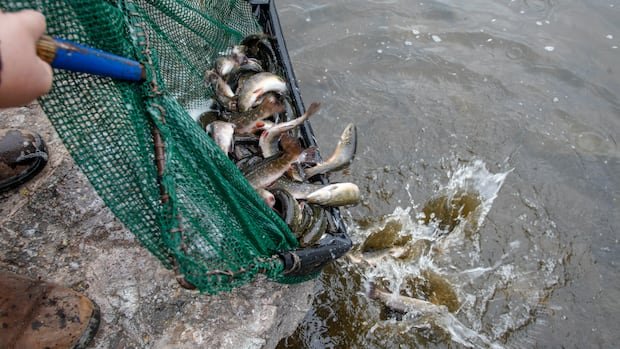
Nova Scotia’s fish stocking program takes fish, mainly brook and rainbow trout, from three provincial hatcheries, raises them for a year or two, and then releases them into lakes. This helps support native populations and boosts tourism through recreational fishing.
However, last year’s drought had an impact. Stephen Thibodeau, a manager at the Nova Scotia Department of Fisheries and Aquaculture, explained that the program is not stocking rainbow trout at all, and there will be a reduced availability of brook trout for stocking this spring.
“We had to conserve water, which led to a decrease in the number of ponds in operation,” Thibodeau stated. The hatcheries rely on local water sources like rivers and lakes for their ponds.
Thibodeau mentioned that approximately 130,000 brook trout are available for spring stocking, a 60% decrease compared to previous years.

The normal hatchery cycle lasts a year, with new batches of fry started each spring, growing them into yearlings for release a year later, sometimes extending to two years.
However, due to the early release of fish in 2025 because of the drought, the 2026 cohort has been reduced.
Mike Christmas, a keen angler and owner of Mike’s Rigs N’ Jigs, expressed concern that the reduced fish numbers may discourage novice anglers.
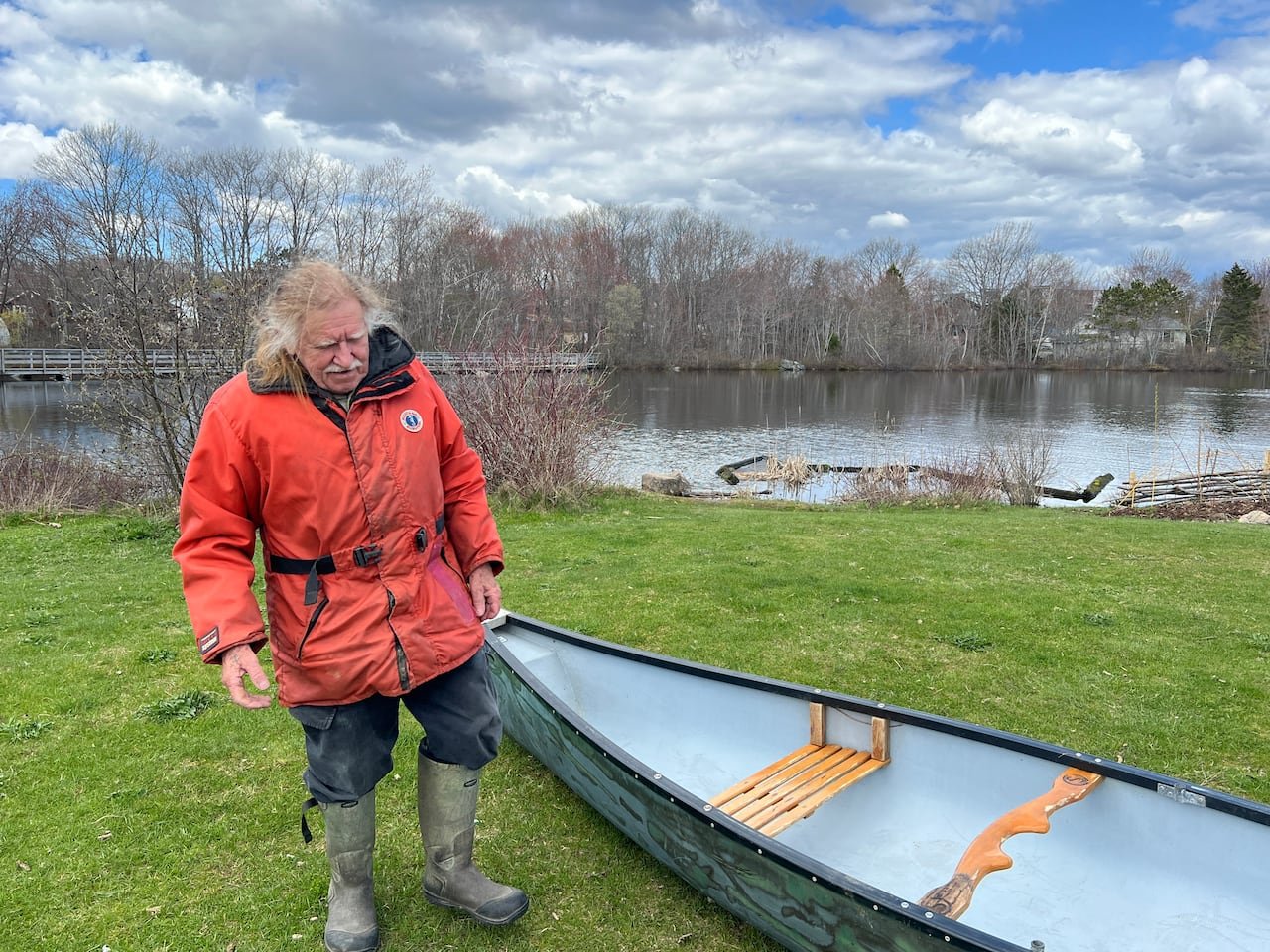
Christmas operates his business from his Dartmouth home, overlooking Albro Lake, a popular fishing destination that traditionally receives spring stocking.
The lake attracts beginner anglers due to its accessibility, city proximity, and reputation for easy catches. However, the decreased trout stocking may alter this scenario.
“The most frustrating part of fishing is not spotting any fish,” Christmas remarked.
Impact of Future Droughts
Thibodeau indicated that the drought’s effects should only impact this year’s stock, with a return to normalcy expected by 2027.
He reassured that the current trout-bearing lakes and other popular angling sites can sustain fishing pressure even without stocked trout.
Thibodeau mentioned ongoing discussions within his division on adapting to more severe and frequent weather events like the 2025 drought.
“In my 24 years in inland fisheries, that was the most severe drought I’ve encountered,” Thibodeau noted.
Enjoying Fishing Regardless
Christmas highlighted that fishing remains a delightful outdoor activity, irrespective of the catch’s size or species.
Victor Lewicki, accompanied by a friend with a boat at Albro Lake, aimed to catch a “19-inch trout