

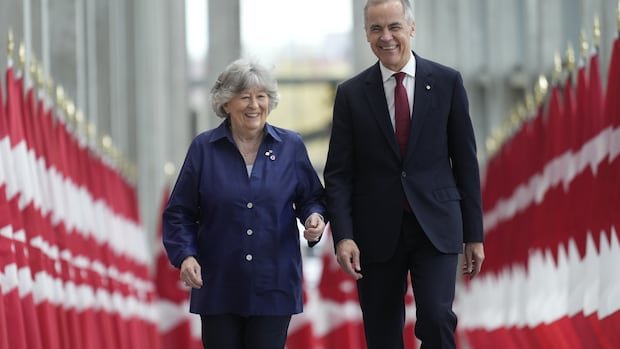

On the day Prime Minister announced Louise Arbour as the upcoming governor general of Canada, the Liberal party made a decision to uphold proposed legislation aligned with Arbour’s significant recommendation for the country’s military. The bill currently under consideration by parliament seeks to enact Arbour’s 2022 proposal, transferring the responsibility of investigating and prosecuting sexual offenses within the Canadian Armed Forces to civilian authorities. The Liberals opted not to include a Conservative amendment in the bill that would have allowed victims of sexual offenses to choose between military and civilian judicial systems.
Critics, particularly some Conservatives, have raised concerns about the timing of the Liberals’ actions, implying a strategic connection to Arbour’s appointment. James Bezan, the Conservative defence critic, expressed frustration over what he perceives as the dismissal of input from Conservatives and former military personnel during the bill’s study at committee level.
Louise Arbour, a retired Supreme Court justice with experience in international criminal tribunals, was commissioned by Ottawa to investigate the pervasive issue of sexual misconduct within the military that led to the removal of senior military figures in 2021. The proposed legislation based on Arbour’s recommendations has encountered resistance from various quarters, including survivors of sexual misconduct, former military officials, and opposition parties.
The Liberal party, leveraging their majority, recently rejected several opposition amendments to the bill. Defence Minister David McGuinty denied any prior knowledge of Arbour’s governor general appointment and claimed the timing of the bill’s advancement was coincidental.
Arbour’s report highlighted the deteriorating public trust in the military’s handling of sexual offenses over the past two decades, advocating for the removal of such responsibilities from the Forces. Minister McGuinty emphasized that the military has already been transferring cases to civilian courts following Arbour’s recommendation, and the government’s intention was always to enshrine this process in law.
Amidst these developments, Conservative MP Jeff Kibble criticized the government for disregarding crucial testimonies from sexual assault survivors and witnesses during the bill’s review at the defence committee. There are apprehensions that certain cases may not meet civilian courts’ standards, potentially allowing perpetrators to evade justice.
The ongoing debate underscores the complexity of balancing the needs of survivors with reforming the military justice system. The bill’s fate rests on upcoming discussions in the House of Commons before proceeding to the Senate for further evaluation. With Arbour’s impending installation as governor general on June 8, the intersection of her past recommendations and her future role in granting royal assent to the bill has sparked constitutional debates among experts and politicians alike.