


After a period of 40 days of intense conflict, the Iran war has transitioned into a tense calm state. A two-week ceasefire was declared by Iran and the U.S. on April 8 to facilitate discussions aimed at resolving the conflict. Despite ongoing challenges such as the blocked Strait of Hormuz and Israel’s attacks on Iran’s ally Hezbollah in Lebanon, the intensity of the conflict has notably decreased following the ceasefire announcement.
In Iran, the situation is relatively unchanged for the citizens. Although the frequency of attacks has decreased, the government’s strict control persists, instilling fear and inhibiting communication. Leila, a 40-year-old physician from a small city near the Caspian Sea, described the severe communication restrictions within the country, highlighting the pervasive surveillance and limited internet access.
The Iranian government’s crackdown on communications was further underscored by the implementation of an internet blackout during protests in January, which was later partially lifted but reinstated at the onset of the war. This blackout significantly disrupted internet usage, impacting various businesses that rely on online platforms.
Presently, access to the internet in Iran is primarily through Starlink terminals, with reports suggesting a significant number in the country. However, the high cost of data and government prohibition of these terminals have created a scarcity of information, hindering the flow of news among the populace.
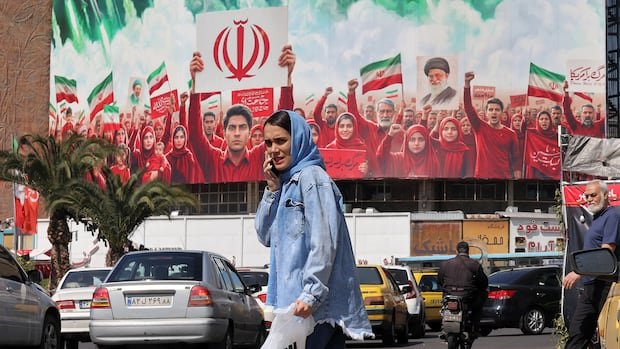
The regime’s propaganda efforts have attempted to shape the narrative of the conflict, emphasizing supposed victories over perceived enemies. However, many citizens, like Leila, have grown disillusioned with these narratives, recognizing them as propaganda.
The government’s control extends beyond Iran’s borders, with individuals like Yasmin, a dentist in Tehran, facing consequences for interacting with foreign media. Despite significant losses within the Iranian leadership, the regime’s hold remains strong, defying expectations of a swift downfall.
As the conflict persists, Leila expressed skepticism about the regime’s imminent collapse, citing historical precedents and the regime’s resilience. Negotiations between the U.S. and Iran in Pakistan failed to yield results, with the threat of a full blockade of the Strait of Hormuz looming, potentially escalating hostilities.
Looking ahead, Leila anticipates a protracted conflict as all involved parties remain entrenched in their positions. The ongoing war underscores the challenges and uncertainties faced by Iranians as they navigate the complexities of the conflict and its implications for their future.