

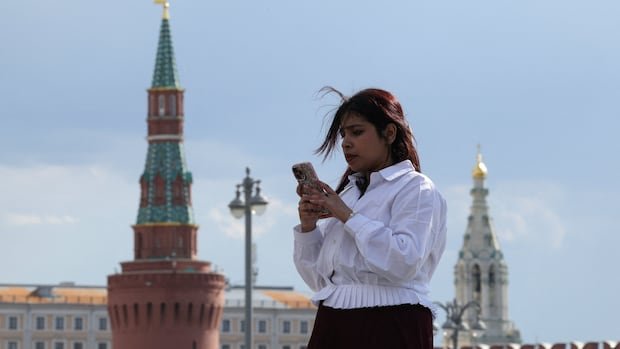

Residents in central Moscow faced a temporary internet blackout on Tuesday, preventing them from using their phones for various online activities. This outage was just one of many that have occurred in the city recently. People were seen seeking refuge in locations with functioning Wi-Fi, such as fast-food restaurants and cafes.
The government justified the internet blockage as a necessary security measure, especially in light of the upcoming Victory Day Parade on May 9. However, these disruptions are believed to be part of a broader strategy to control internet access and promote government-approved online platforms.
In response to these restrictions, a 37-year-old teacher named Artem expressed skepticism about the government’s security rationale. He emphasized that many people in Moscow are uneasy about the explanations provided for the internet outages.
The ongoing conflict between Russia and Ukraine has led to an escalation of internet restrictions in Russia, with the Kremlin attempting to shape the narrative surrounding the war and limit access to dissenting information online.
Authorities have raised concerns about mobile networks aiding in targeting drones, leading to restrictions on VPN usage, which are commonly used by Russians to bypass government censorship. The government aims to establish a “sovereign internet” dominated by Russian platforms and compliant with Russian laws.
The crackdown on VPNs has sparked public discontent, including criticism from influential figures like Natalya Kaspersky, who warned of the negative impact of these restrictions on internet stability and public trust in the government.
As the government intensifies its control over digital spaces, concerns have been raised about the erosion of online freedom in Russia. Critics compare Russia’s digital censorship to China’s Great Firewall, highlighting the increasing challenges faced by individuals seeking access to uncensored information.