

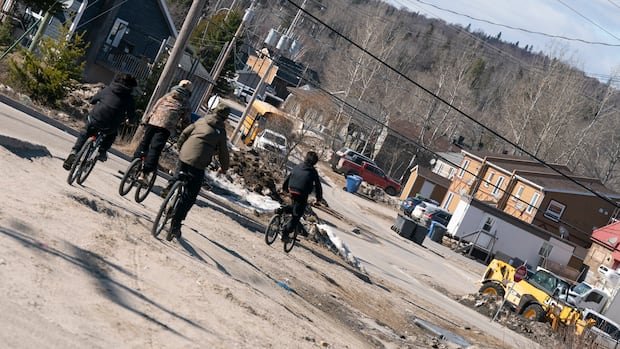

A recent study conducted by Amnesty International highlights the critical issue of overcrowded and unsafe housing in a northern Atikamekw community near Montreal, shedding light on a larger crisis endangering the health, safety, and rights of Indigenous individuals nationwide.
In Manawan, approximately 250 kilometers from Montreal, community leaders report a surge in requests for emergency housing assistance as homes become increasingly crowded and conditions deteriorate.
Chief Sipi Flamand of the Atikamekw Council of Manawan emphasized the dire situation, stating that elected officials and leaders are inundated with pleas from families in urgent need of housing, often facing precarious situations jeopardizing the safety of women and children.
The report, stemming from a two-year examination of housing conditions in the remote Lanaudière community, reveals severe overcrowding, aging infrastructure, and significant delays in constructing new homes. These challenges have strained the system beyond its limits, according to local leaders.
Flamand expressed frustration at the overwhelming demands, stressing the urgent and alarming nature of the needs that surpass the current capacity to address them promptly. Delays in funding programs further compound the urgency of the situation.
Amnesty International underscores that the housing shortage extends beyond physical structures, impacting fundamental human rights such as education, health, privacy, safety, and life in Indigenous communities. Many families endure unsafe and overcrowded living conditions, marked by issues like mold and poor housing quality that contribute to illness and stress.
Despite the focus on Manawan, similar housing conditions persist in over 600 Indigenous communities nationwide. Vivianne Chilton, chief of Wemotaci, a neighboring Atikamekw community, highlighted the shared experiences, including multiple families residing in a single house due to overcrowding, challenging daily routines and privacy.
Data from the Assembly of First Nations Quebec-Labrador indicates a substantial investment of $139 billion is required to address housing needs across Indigenous communities in Canada, with approximately $8 billion necessary in Quebec alone.
Chief Francis Verreault-Paul of the organization emphasized the need for over 10,000 new housing units in the province, alongside significant repairs to existing homes. He criticized the lack of concrete commitments from federal and provincial authorities, citing ongoing jurisdictional disputes impeding progress in resolving housing issues.
Verreault-Paul also noted that housing shortages contribute to Indigenous homelessness in urban areas, hindering individuals from returning to their communities after pursuing education or career opportunities elsewhere.
Amnesty International and local leaders stress that the housing crisis is symptomatic of deeper systemic problems requiring immediate action from all levels of government. Chief Flamand emphasized the structural injustice embedded in the housing crisis and called for a holistic approach that goes beyond mere construction efforts.
Addressing the crisis, he asserted, necessitates rebuilding community foundations, supporting self-determination, and fostering a renewed relationship between Indigenous Peoples and Canadian society.