

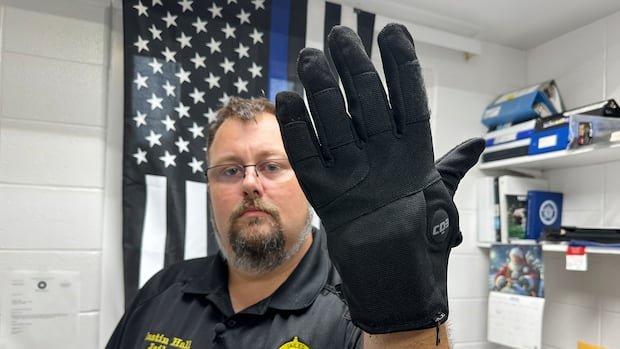

The U.S. Immigration and Customs Enforcement (ICE) has approved a $16.7 million contract to procure 6,000 pairs of electric shock gloves for use in controlling detainees and protesters who resist. Despite objections from civil rights advocates and Democratic lawmakers, ICE proceeded with the purchase. The plan was made public when ICE announced its intention to buy “conductive distraction and de-escalation devices.”
The contract, awarded to Compliant Technologies LLC, a firm based in Kentucky, includes 6,000 devices, support equipment, and services over a six-month period. Critics have raised concerns about ICE officers’ use of force without sufficient oversight, especially during the Trump administration’s immigration enforcement efforts.
Following the deaths of American citizens Renee Good and Alex Pretti, ICE reduced its high-profile deportation operations in major cities. However, ICE reported a spike in arrests in July, with over half of those arrested having no criminal convictions or charges. A group of senators, led by Democrat Catherine Cortez Masto, urged ICE to cancel the glove purchase, expressing skepticism about the agency’s ability to use the devices appropriately.
The electric shock gloves, which appear as regular patrol gloves until activated, deliver shocks to gain compliance from individuals resisting arrest. ICE stated that the gloves would be used in high-tension situations like arrests, detainee transport, and managing civil disturbances. The goal is to prevent the use of more severe force, such as firearms, and to enhance control over individuals to prevent aggression or escape attempts.
ICE defended the purchase, stating that the gloves would be used under approved policies, training, and accountability measures. However, critics, including Cortez Masto and other senators, expressed concerns about the risks associated with deploying the devices during civil arrests without clear limits, appropriate training, and oversight.
The Department of Homeland Security, ICE’s parent agency, responded to critics by denouncing the purchase as an attempt to endanger ICE officers. This contract is among several no-bid contracts issued by the Trump administration, drawing criticism from Democrats. Similar procurement practices have been observed in other government contracts, including those for airplanes, detention facilities, and renovations of public landmarks.
This decision has sparked a debate about the use of such devices and the oversight mechanisms necessary to ensure their appropriate and lawful deployment.