

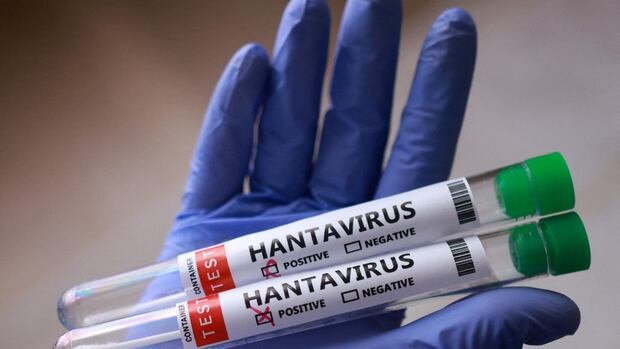

An outbreak of hantavirus on a high-end cruise ship this month has brought attention to a lethal disease for which there is currently no cure. Hantavirus cases are uncommon and generally not transmitted among humans. Infections typically occur through contact with contaminated objects or ingestion of food tainted with rodent waste. While transmission via rodent bites is rare, it can happen.
Hantavirus infections can be fatal, and there is no specific treatment available. Researchers worldwide are actively engaged in developing a vaccine for hantavirus, but the process is still in its early stages, and widespread availability may take several years.
Certain hantaviruses prevalent in Europe and Asia can cause hemorrhagic fever with renal syndrome, primarily affecting the kidneys and potentially leading to bleeding complications with a death rate between one to 12 percent. In the Americas, specific hantaviruses can trigger hantavirus pulmonary syndrome, affecting the lungs and resulting in death in approximately 40 percent of cases.
Since monitoring began in 1994, Canada has recorded 168 hantavirus cases confirmed by the National Microbiology Laboratory in Winnipeg.
Treatment for hantavirus primarily focuses on managing symptoms like fever, muscle pain, nausea, and breathing difficulties associated with hantavirus pulmonary syndrome through fluid replacement, oxygen therapy, and ventilation.
While there is currently no vaccine available for hantavirus, global research efforts are underway to develop one. Efforts have historically been limited due to a lack of commercial interest, with ongoing research focusing on creating effective vaccines against different hantavirus strains.
In conclusion, the road to a hantavirus vaccine is long and resource-intensive, requiring substantial support, funding, and commitment to bring a viable solution to fruition.