
The RCMP’s report revealed that Jennifer Hillier-Penney’s DNA was detected in Dean Penney’s garage in St. Anthony, N.L., although the presence of blood was not confirmed.
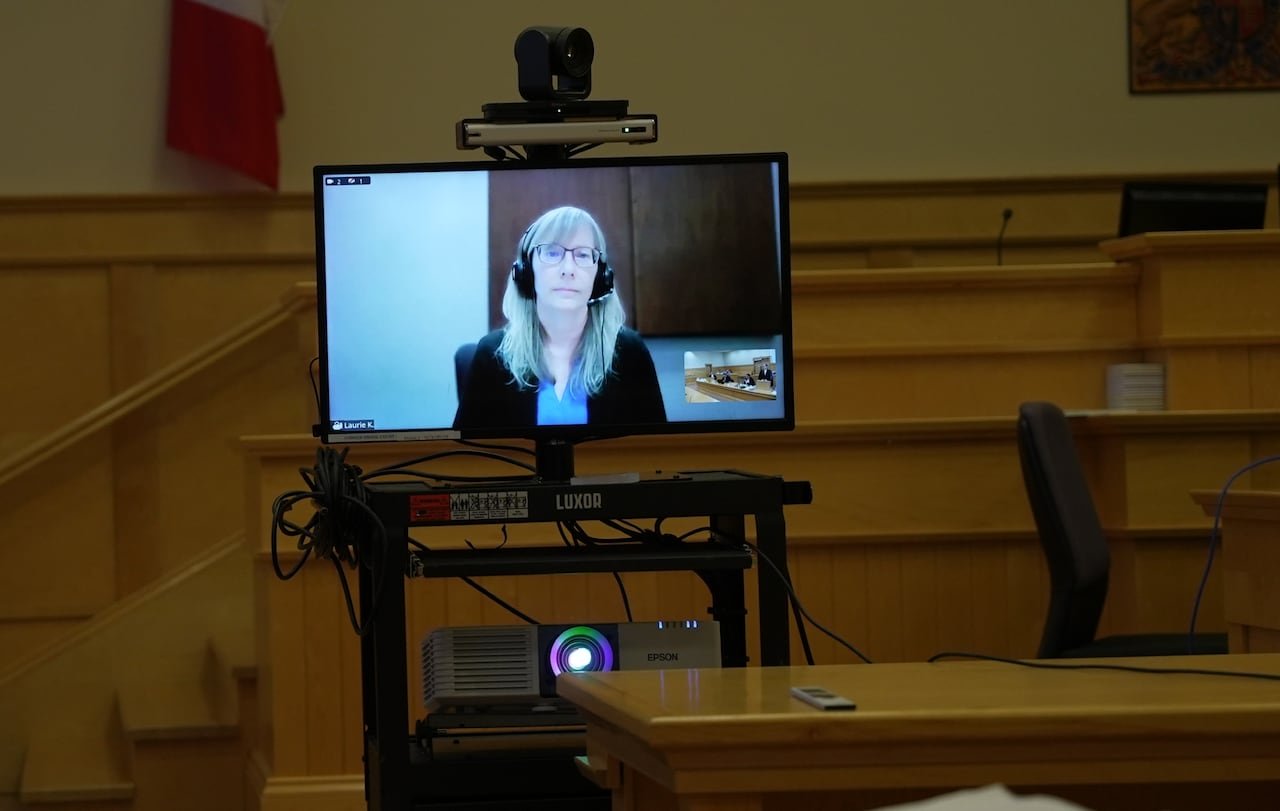
During a 2023 investigation, Laurie Karchewski, a forensics expert at the RCMP’s national lab in Ottawa, testified that a DNA-containing stain was found near the ceiling on a wall above the freezer in the garage.
Karchewski stated that the DNA evidence indicated a 1.9 quintillion likelihood of originating from Hillier-Penney rather than an unknown individual, strongly supporting the match to her profile.
At the Supreme Court in Corner Brook, details from seven forensic reports authored by Karchewski between March 2017 and November 2024 were presented.
The DNA profile used to identify Hillier-Penney, missing since Nov. 30, 2016, was generated from her toothbrush, Karchewski informed the court.
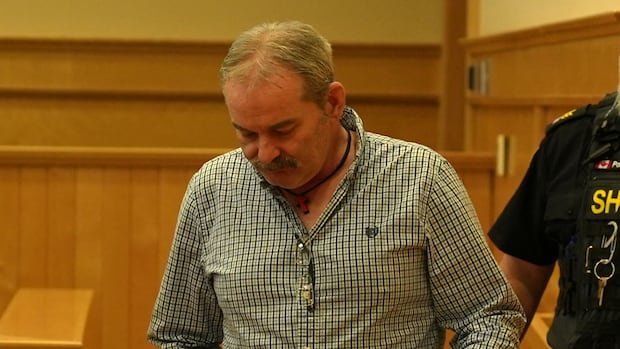
Dean Penney, Hillier-Penney’s estranged husband, faces charges of first-degree murder in connection with her disappearance and death, to which he has pleaded not guilty, with her remains still undiscovered.

While DNA was detected in one area, Karchewski stated that no other spots in the garage showed traces of Hillier-Penney’s DNA.
Moreover, 93 exhibits collected from the garage were subjected to forensic analysis, revealing the presence of iron, indicative of hemoglobin found in blood, on sections of the garage floor, stairs, and Penney’s gun safe.
In a purported confession to an undercover officer, Penney disclosed that Hillier-Penney hit her head on the safe when he allegedly pushed her down the stairs on Nov. 30, 2016.
Defense attorneys raised concerns about the confession being coerced.
Karchewski explained that due to the prioritization of DNA testing for accurate identification, confirmatory blood tests were either negative or omitted despite initial positive on-site results.
Blood vs. DNA
DNA testing serves as a unique identification method, but may lead to a lack of blood testing on evidence, as both tests cannot always be conducted on minuscule samples simultaneously.
Karchewski noted that DNA can persist in locations like Penney’s garage for years, with cleaning potentially hindering its detection.