


The Alberta government’s proposed timeline for initiating construction on a potential new West Coast oil pipeline is ambitious, as highlighted by analysts at CIBC World Markets in a recent report. The province aims to present a proposal to the federal major projects office by July 1, have it recognized as a project of national interest by Oct. 1, and commence construction as early as Sept. 1, 2027. According to a provincial official, oil flow could potentially start around 2033 or 2034.
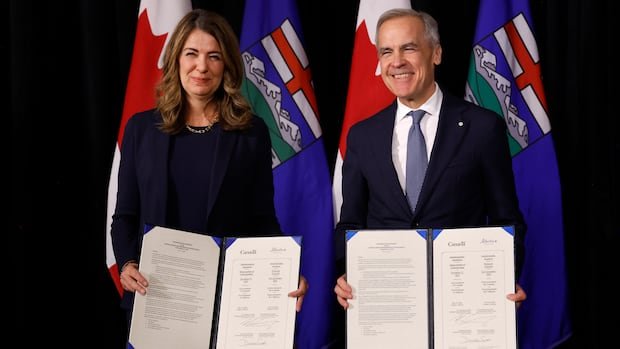
CIBC analysts Robert Catellier and Rogan Anantharajah noted in a recent industry update that while they appreciate the sense of urgency, they view the proposed timelines as optimistic and representing a best-case scenario. The Alberta government revealed these targets following the finalization of an agreement with Ottawa on increasing the market price of carbon to $130 per tonne by 2040, one of the last outstanding elements of the energy accord signed late last year.
The completion of the remaining side-agreement involving the province, federal government, and industry representatives, particularly on funding the multibillion-dollar Pathways carbon capture project, is crucial. The Alberta government is taking the lead on the pipeline application, as no private-sector entity has yet emerged to share the risks and costs. Despite this, top pipeline executives are advising the province on technical aspects and routing options for the proposal.
The proposed West Coast pipeline aims to transport up to one million barrels of oilsands crude per day to the West Coast, significantly increasing the volumes reaching Asian markets compared to the existing Trans Mountain pipeline. The Alberta government favors a northern port option due to the shorter shipping distance to Asia.
Several challenges, including unresolved negotiations with British Columbia, consultations with Indigenous groups, and uncertainties surrounding the ban on oil tanker loading on the northern B.C. coast, still need addressing. However, ATB Financial’s chief economist, Mark Parsons, believes that the clarified construction timelines for the pipeline are a positive development that should exert pressure to expedite the project.
ATB estimates suggest that Pathways and the planned expansions to Trans Mountain, along with the new West Coast pipeline, could collectively boost Canada’s real GDP by 1.1% on average and Alberta’s real GDP by 5.1% between 2027 and 2035. Parsons views this potential execution as a significant upside to Alberta’s economic forecast and a substantial boost to the Canadian outlook.