

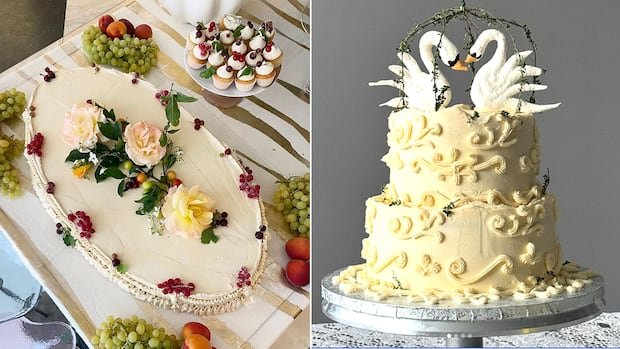

As a baker, creating a wedding cake for a dear one is a heartfelt gesture. Wedding cakes can be a significant expense, and having one made by someone who knows and cares for you adds a special touch. However, it is also a substantial responsibility, especially if it’s your first time undertaking such a task.
Drawing from my experience of making numerous wedding cakes for friends, I can attest that it becomes more manageable with practice. To provide valuable insights on starting successfully, I sought advice from pastry designer Sorsha Asady and culinary artist Allegra D’Agostini, both of whom enjoy crafting wedding cakes for friends.
**Finding Inspiration**
When embarking on the cake-making journey, the initial step is to design the cake well ahead of time. This part is particularly enjoyable and crucial. If a friend has requested you to bake their cake, it’s likely because they admire your baking style. While they might give you creative freedom, consulting with them is still essential. Asady delves into the couple’s mood boards, focusing on color schemes, textures, floral arrangements, venue ambiance, and attire choices. She also considers the couple’s personalities, asking questions like, “What is their fashion sense? How would I describe their overall aesthetic? What kind of music do they enjoy?” Inspiration can stem from various sources. D’Agostini follows a similar approach, aiming to integrate elements that resonate with the couple’s individualities and their relationship to create a truly personalized cake. Noteworthy trends currently include edible lace, meringue swans, and a rise in oval-shaped or sheet cakes.
When brainstorming flavors, Asady reflects on shared meals with the couple and their flavor preferences. “I pay close attention to my friends, so I believe I understand their tastes well and can cater to them in my own unique style,” she remarked. Additionally, seasonal produce can guide your choices. If your friend loves a fruit that will be out of season during the wedding, consider preserving it when it’s at its peak ripeness. D’Agostini once gathered and candied figs in summer to use as a garnish on a fall wedding cake, showcasing the kind of considerate touch that makes a cake baked by a friend truly special.
**Thorough Testing**
After finalizing your flavors and decorations, it’s crucial to ensure everything aligns well and can fit in your refrigerator. D’Agostini emphasized the importance of avoiding last-minute logistical or flavor-related issues before the event. While you don’t have to create an entire test wedding cake, making at least one tier to test recipes, flavors, and decorations is advisable. Regarding the cake size, D’Agostini advised that cakes generally serve more guests than expected, especially after a full meal. She also noted that event-style cake slices are typically smaller than standard portions. Many wedding caterers provide dessert services, and Asady observed that many couples opt for a smaller cake mainly for cutting and photography purposes. Confirming expectations and consulting an online serving guide chart can assist in determining the required cake quantity.
**Baking Proportions**
When selecting your cake recipe, it’s ideal to use one tailored to the desired size, although most recipes can be adjusted accordingly. A general rule of thumb is to double the batter for a 10-inch cake when starting with an 8-inch layer cake recipe, and halve it for a 6-inch cake when creating tiered cakes. Bake times will vary, with shorter durations for smaller cakes and longer durations for larger ones. Keeping a close eye on the baking process is essential. Renowned baker and cookbook author Rose Levy Beranbaum’s “Cake Bible” offers a helpful chart for adapting recipes to different pan sizes. While she adjusts the baking powder-to-flour ratio for larger cakes, the impact is minimal up to 10 inches.
**Assembly Process**
Approaching a wedding cake, akin to any significant project, is best done by breaking it down into smaller manageable steps. Most components, such as the cake and buttercream, can be prepared in advance. If frozen, ensure to defrost them a day or two before and re-whip or gently warm the buttercream to restore its smooth consistency. Personally, I prefer to fill and frost the cake a day before the wedding and assemble and decorate it on the wedding day. It’s essential to have a sturdy and visually appealing base, such as a cake drum or a tree-trunk slice, to showcase the cake. For tiered cakes, adequate support is crucial to prevent the lower tiers from collapsing under the weight. D’Agostini recommends placing a slightly smaller board beneath each tier for structural support without it being visible in the final presentation. Using wooden dowels or sturdy bubble-tea straws can help distribute the weight evenly and prevent any mishaps. Communicating the support method to the cake cutter is also important.
**Transportation Tips**
The final and often nerve-wracking step is