

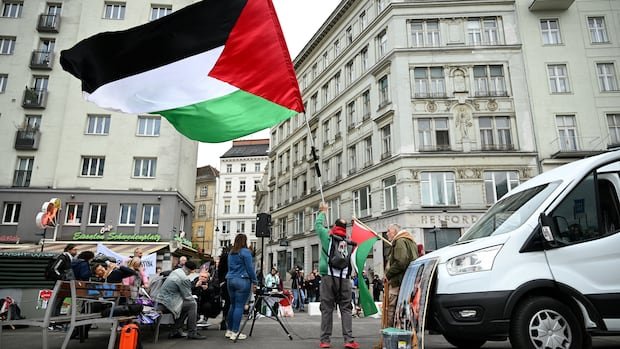

During the semifinals of the Eurovision Song Contest in Vienna, Israeli artist Noam Bettan’s performance marked a significant shift in the long-established competition. Singing predominantly in French, Bettan faced a mixed reaction from the audience as he delivered his powerful ballad “Michelle,” with both applause and dissent audible in the venue.
Subsequent reports from the Austrian host broadcaster ORF revealed that four attendees were escorted out for disruptive behavior, including shouting phrases like “Stop the genocide!” Meanwhile, viewers in the U.K. were informed that some audience members expressed their disapproval of Israel’s participation in the contest.
Despite the event’s theme of “united by music,” the 2026 Eurovision has been marred by controversy surrounding Israel’s involvement and its actions in the Gaza conflict. Notably, five countries – Spain, Ireland, Slovenia, the Netherlands, and Iceland – opted out of the competition in protest.
-
Multiple Countries Withdraw from 2026 Eurovision Due to Israel’s Participation
-
Eurovision to Introduce Asian Edition in the Near Future
Efforts to exclude Israel from Eurovision were dismissed by European broadcasters, but the debate over the country’s future involvement is anticipated to intensify, particularly if Bettan secures victory and Israeli broadcaster KAN earns the right to host next year’s Eurovision.
Beyond the Music
Historically, when geopolitical issues clashed with the Eurovision Song Contest, the focus remained on the music. The annual celebration of pop culture has grown into the world’s largest live music event, attracting over 160 million viewers globally, who participate in determining the winner through electronic voting.
Despite past conflicts and crises, Eurovision has endured as a platform for showcasing diverse musical talents from across Europe and beyond. While this year’s competition exudes optimism on the surface, underlying tensions have cast a shadow over the event.
According to Karen Fricker, a Eurovision enthusiast and Brock University adjunct professor, the European Broadcasting Union has acknowledged the current Eurovision as its most challenging edition yet.
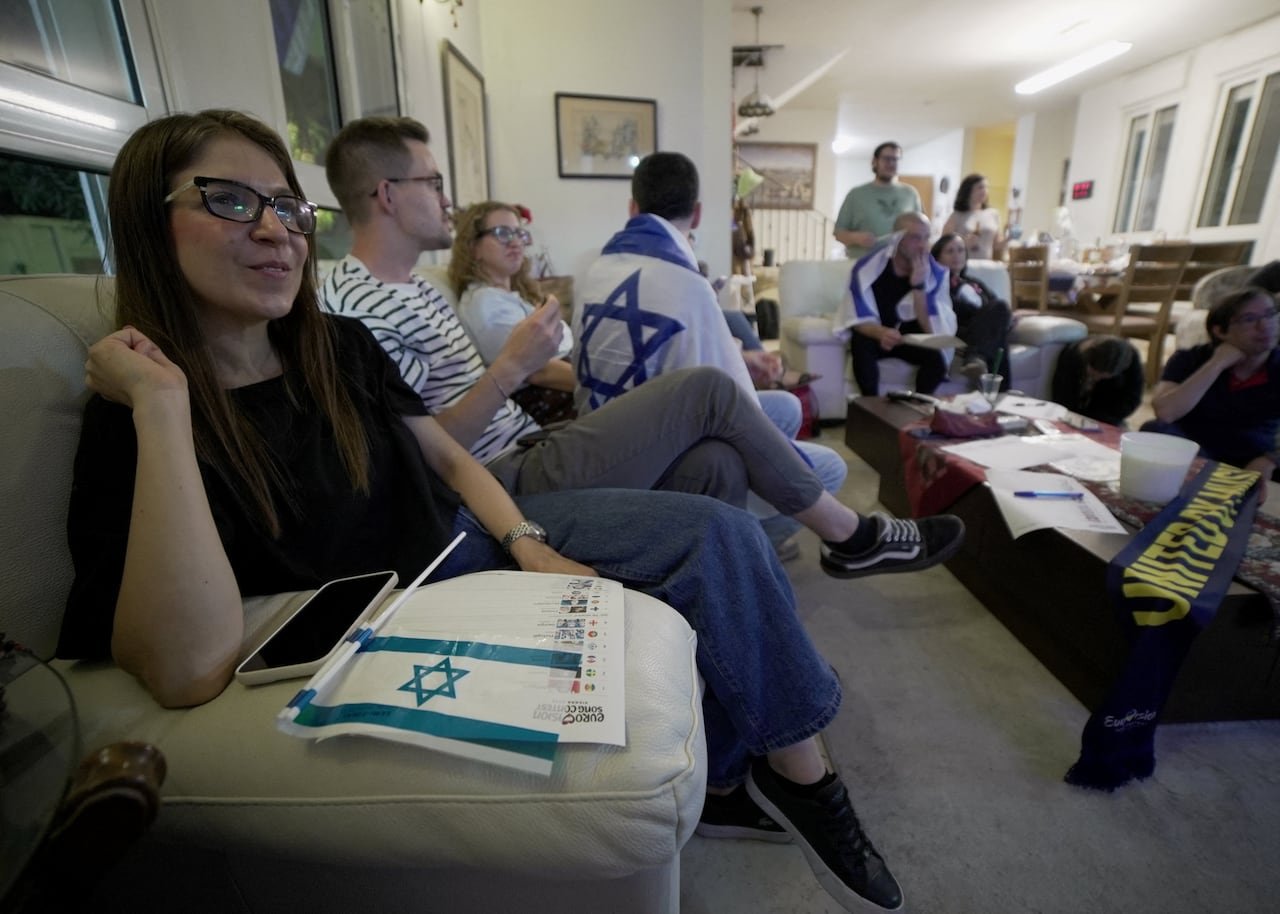
Intense Opposition
Israel’s military actions in response to Hamas attacks in 2023 have drawn condemnation, with Gaza suffering significant casualties and destruction. The country faces accusations of genocide from prominent human rights organizations, with over 72,000 reported Palestinian deaths and millions dependent on aid.
The decision by Spain to abstain from Eurovision carries weight, given its status as a major contributor to the event’s expenses. Other countries have also taken stands against Israel’s participation, citing concerns over human rights abuses.
Allegations of voting irregularities and potential bias towards Israeli contestants have also surfaced, raising questions about the integrity of the competition’s voting process