

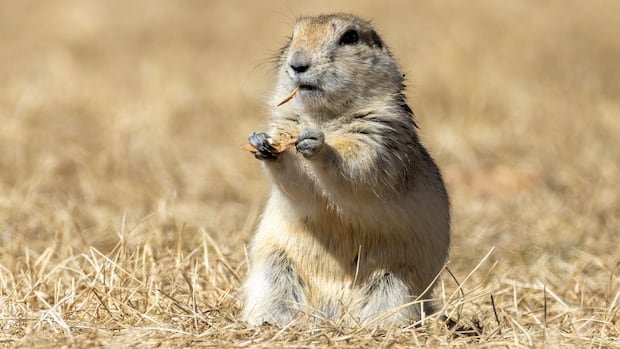

After facing notable delays, the official authorization for strychnine use in Alberta and Saskatchewan commenced on Wednesday. Farmers are permitted to utilize the controversial rodenticide to manage Richardson’s ground squirrels, commonly referred to as gophers, until September 1. However, there are challenges due to limited quantities and doubts regarding its effectiveness at this late stage of the year.
Strychnine was granted controlled and time-limited emergency approval in Alberta and Saskatchewan following persistent lobbying efforts by the provinces. Health Canada had banned the substance two years ago due to environmental hazards. The Alberta government highlights that gopher infestations in the province pose a risk exceeding $800 million annually to hay and pastures.
Under the Pest Control Products Act, the emergency use authorization allows producers in Alberta and Saskatchewan to apply strychnine until November 2027, but only within specific seasonal periods. The anticipated spring application window, from March 1 to June 15, was missed because Agromax, the sole authorized manufacturer of strychnine in Canada, faced supply chain issues, resulting in no shipments during that period.
Although the product is now available to eligible municipalities in Alberta and Saskatchewan, demand surpasses supply in many cases. Some regions like Wheatland County and Flagstaff County are resorting to lottery systems to determine which producers can purchase strychnine. However, concerns are raised that it may be too late in the year for the product to be effective.
The Municipal District of Wainwright in east-central Alberta announced that it would not provide strychnine to producers this year due to the lateness of the season and extremely limited product availability. Shelby Oracheski, Wainwright’s agricultural fieldman, emphasized that the optimal time to use such products is before spring green-up when the bait is more appealing to gophers.
Moreover, the current July to September application window coincides with a period when many gophers enter a dormant state called estivation due to extreme heat. Despite 71 producers completing the necessary strychnine training, inquiries have dwindled owing to concerns about its efficacy at this time. The aim is to retain the strychnine for next year to ensure producers can utilize it through a complete season.
There is optimism for continued advocacy to extend the special use approval for another year, as the current season is somewhat considered a “write-off.” Alexandre Bergeron, spokesperson for the federal minister of health, reaffirmed the government’s commitment to supporting farmers and the agricultural sector while ensuring responsible use to safeguard the environment and public health.
Concerns persist regarding the environmental impact of strychnine, which was previously a prevalent gopher control solution in Alberta and Saskatchewan before being phased out by the federal government in 2020. The neurotoxin was eventually banned in 2024 due to environmental risks that could harm at-risk species like swift foxes and burrowing owls.
Ruiping Luo, a conservation specialist, pointed out that using strychnine could lead to unintended consequences by affecting predators and non-target animals. Health Canada’s strychnine re-evaluation revealed that more strychnine was used than the retrieved poisoned carcasses, implying potential exposure to scavenging animals. Unintentional deaths of dogs have been linked to strychnine use.
Despite the stringent requirements and environmental protocols of the new strychnine program, concerns remain as the decision was made without substantial scientific evidence. The Alberta government suggests alternative methods for gopher control, including legal pesticides, fumigation, and promoting predator activity to manage gopher populations effectively. Other strategies involve promoting tall vegetation growth and adjusting livestock grazing practices to deter gophers from establishing colonies.