

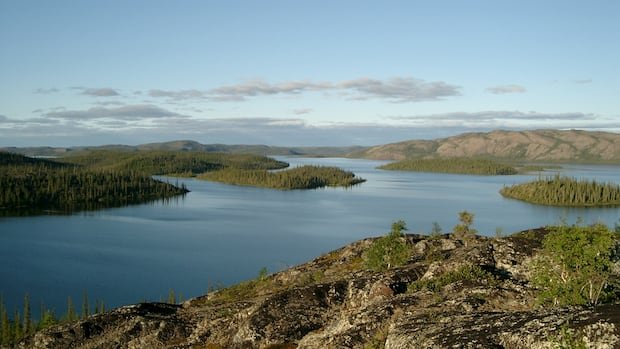

A recent study suggests that the algae population in Great Bear Lake in the Northwest Territories has undergone significant changes due to climate change since the early 2000s. The study, published in the Proceedings of the National Academy of Sciences (PNAS) journal, highlights how the increasing number of ice-free days and rising air temperatures have led to a rapid restructuring of the algal community in large northern lakes like Great Bear.
John Smol, a biology professor at Queen’s University and co-director of the Paleoecological Environmental Assessment and Research Lab (PEARL), emphasized the need for further research to determine the implications of these changes on the creatures that rely on algae for food and on the overall food chain dynamics. Smol noted that the shift in algae types could result in both winners and losers in the ecosystem, with the potential for increased total algae production but uncertainties about the specific algae species now dominating.
The research team analyzed sediment core samples from various parts of Great Bear Lake to track changes in the algae species composition over time. Comparisons with studies on Lake Hazen and Great Slave Lake in the Northwest Territories revealed a shift in Great Bear Lake from shallow-water algae species typical of ice-covered lakes to those thriving in open water environments.
Despite the immense size of these lakes, comparable to the area of Belgium, researchers were surprised by the significant recent changes observed. Environmental scientist Reid Stoyberg, who has worked as a fishing guide on Great Bear Lake for Plummer’s Arctic Lodges, acknowledged the study’s findings but highlighted the need for more data to draw definitive conclusions about the lake’s ecosystem health.
Stoyberg emphasized the importance of continued research to understand the potential impacts of these ecological shifts on various species in Great Bear Lake. He noted that any changes in such a harsh environment could trigger adaptations or challenges for species, emphasizing the necessity for ongoing monitoring and study to assess future ecological trends.