

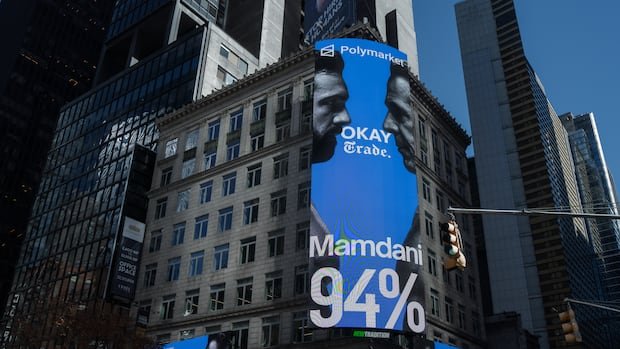

An inquiry into potential manipulation of temperature sensors at Paris airport to influence online betting outcomes is shedding light on the increasing popularity of climate-related bets. Several accounts on Polymarket, an online betting platform, raked in substantial winnings when temperatures surged by 5 degrees Celsius in a single day recently. This incident has sparked discussions on the ethics of platforms like Polymarket and Kalshi that enable users to wager on climate-related events, ranging from the intensity of hurricanes to predictions about record-breaking years.
Experts interviewed by CBC News suggest that weather betting could have a positive impact on climate science by potentially altering the perspectives of climate change skeptics. Moran Cerf, a neuroscience and business professor at Columbia University, conducted a study where participants engaged in betting on various climate events, such as the California wildfires. The research revealed that individuals who participated in these markets displayed increased awareness and concerns about climate change, with even some skeptics potentially changing their views.
Cerf’s research addresses the challenge of convincing individuals with varying degrees of skepticism about the human impact on global warming. Despite the surge in climate-related catastrophes, a study by the Angus Reid Institute in January 2025 indicated that nearly a quarter of Canadians do not believe humans are primarily responsible for climate change, with an additional nine percent questioning the existence of climate change altogether.
According to Cerf, climate change presents challenges that exploit human cognitive limitations, as consequences like rising sea levels and food system disruptions may unfold over extended periods. Prediction markets, however, offer a unique solution by providing immediate feedback through real-time probability changes and payouts, which can prompt individuals to reevaluate their beliefs based on financial stakes.
Mark Roulston, a climate scientist at the University of Lancaster, is spearheading a project that involves university climate research teams in prediction markets resembling Polymarket and Kalshi. This initiative aims to enhance the accuracy of climate predictions by consolidating expert opinions and rewarding teams with the most precise forecasts, potentially advancing climate modeling efforts.
Although short-term binary options are prohibited in Canada, Wealthsimple, a fintech firm, has obtained regulatory approval to offer prediction markets on economic indicators, financial markets, and climate trends. However, the proliferation of climate-related bets has raised concerns among some researchers, including Cerf, who highlights the risk of these platforms prioritizing engagement over education and the potential for data tampering compromising the credibility of climate-focused gambling platforms.