


The most recent attempt at a ceasefire between the United States and Iran hit a roadblock before starting, with Iran’s top diplomat leaving Pakistan and U.S. President Donald Trump instructing envoys not to travel to Islamabad. The talks were supposed to build on recent face-to-face discussions between the U.S., led by Vice-President JD Vance, and Iran, represented by parliament speaker Mohammad Bagher Ghalibaf. However, Iranian officials expressed skepticism about trusting the U.S. following the American blockade of Iranian ports in response to Tehran’s control of the Strait of Hormuz.
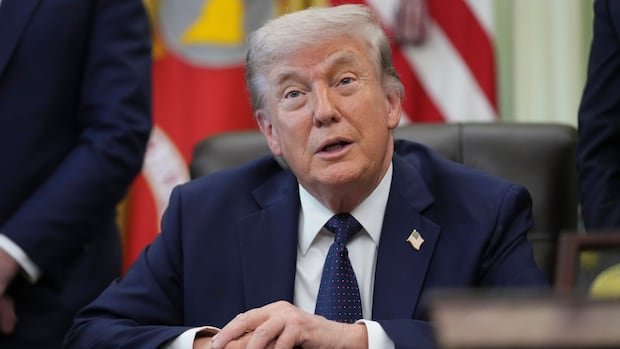
Trump, via social media, stated he had canceled the envoy trip to Pakistan, emphasizing that Iran could initiate talks by reaching out directly. The White House had earlier announced the delegation of Steve Witkoff and Jared Kushner to Islamabad.
Iran’s Foreign Minister Abbas Araghchi departed Pakistan on Saturday, sharing Iran’s stance on a viable framework to end the conflict permanently. Araghchi later questioned the U.S.’s commitment to diplomacy. Meanwhile, tensions between Israel and the Iranian-backed Hezbollah escalated, resulting in both sides engaging in hostilities.
Trump extended the ceasefire with Iran indefinitely, albeit economic repercussions loom as global trade disruptions persist due to the near-closure of the Strait of Hormuz. Iran’s military command issued a warning to the U.S., cautioning against further aggressive actions.
Prior to the recent developments, Iran had indicated that talks would be conducted indirectly through Pakistani intermediaries. Araghchi met with Pakistani officials to discuss Iran’s negotiation terms. Subsequently, Araghchi is scheduled to visit Oman and Russia for further discussions.
Trump highlighted receiving a new proposal from Iran shortly after canceling the envoy trip, stressing Iran’s commitment to not acquiring nuclear weapons. Analysts noted the choice of envoys for the talks, indicating potential low expectations for significant progress. Key sticking points in the negotiations include Iran’s uranium enrichment, the Strait of Hormuz standoff, concerns over Iran’s missile capabilities, and its support for regional armed groups.
The conflict over the Strait of Hormuz persists, impacting global oil prices and maritime trade. Germany announced plans to deploy minesweepers to clear Iranian mines in the strait post-war. The Strait of Hormuz crisis has disrupted global trade routes, affecting transits through the Panama Canal.
Iran resumed commercial flights from Tehran after a hiatus during the conflict. Despite ongoing ceasefires, the death toll continues to rise, with casualties reported in Iran, Lebanon, Israel, and Gulf Arab states. Israel and Lebanon agreed to extend their ceasefire, although Hezbollah remains uninvolved in the diplomatic process. Renewed violence erupted between Israel and Hezbollah, resulting in casualties on both sides.