


In a video released on Tuesday, Prime Minister Mark Carney voiced concerns shared by critics regarding the climate strategy of the previous Liberal government, stating that the plan he took over was excessively costly and divisive.
“I believe that plan was not sustainable for the long haul,” Carney remarked in his second “Forward Guidance” video. “It would be too costly for Canadians, who are already facing challenges with affordability.”
He further stated that the plan “would have been overly divisive for our nation” and represented “a clear opportunity for those who seek to divide Canada both domestically and internationally.”
As Carney shifts away from Trudeau’s climate strategy, he conceded that the nation’s emissions are expected to be higher in the coming years than they would have been under the previous plan.
“I assured you I wouldn’t sugarcoat difficult messages,” he added.
Conservative lawmakers and proponents of increasing Canadian oil and gas exports have long contended that the climate initiative crafted during Prime Minister Justin Trudeau’s administration would impose excessive costs on Canadian families and impede economic development.
The Trudeau administration maintained that initiatives such as the consumer carbon tax provided more financial returns to most Canadians through federal rebates than the costs incurred, thereby enhancing affordability. The government frequently asserted that environmental protection could coexist with economic growth.
-
Former member of climate advisory body states Alberta pipeline agreement is incompatible with net-zero goals
-
Will the Alberta-Canada carbon pricing agreement succeed? A recent analysis expresses skepticism
Carney was careful to acknowledge that the climate plan from the Trudeau government which they “inherited” was “well intended and appropriate for the period in which it was created.”
However, the prime minister emphasized that circumstances have evolved.
“The certainties of 2015 are long gone,” Carney remarked, referencing the inaugural year of the decade-long Trudeau administration. “Our surroundings have not been this hostile since Canada’s inception.”
“The geopolitical instability has not been this pronounced since the conclusion of World War II.”
In a statement, Conservative natural resources critic Carol Anstey noted that after a year in office, Carney has only produced videos with minimal tangible outcomes for Canadians.
“Canadians do not need Mark Carney’s forward guidance; they require the Liberals to step aside so that Canadians can afford a better quality of life,” Anstey asserted.
Carney indicates emissions will increase
He reiterated findings from the government’s climate emissions modeling, which indicate that Canada is diverging further from its climate objectives, with emissions likely exceeding earlier projections.
“The alterations we have made will result in our emissions being higher in the next few years than expected under the previous administration’s strategy,” Carney explained.
This is mainly due to the Carney administration’s elimination of crucial elements of the country’s climate framework, including the consumer carbon price and pollution limits for the oil and gas sector.
The Carney administration is also increasing exports of liquefied natural gas (LNG) and endorsing another pipeline from Alberta to the West Coast.
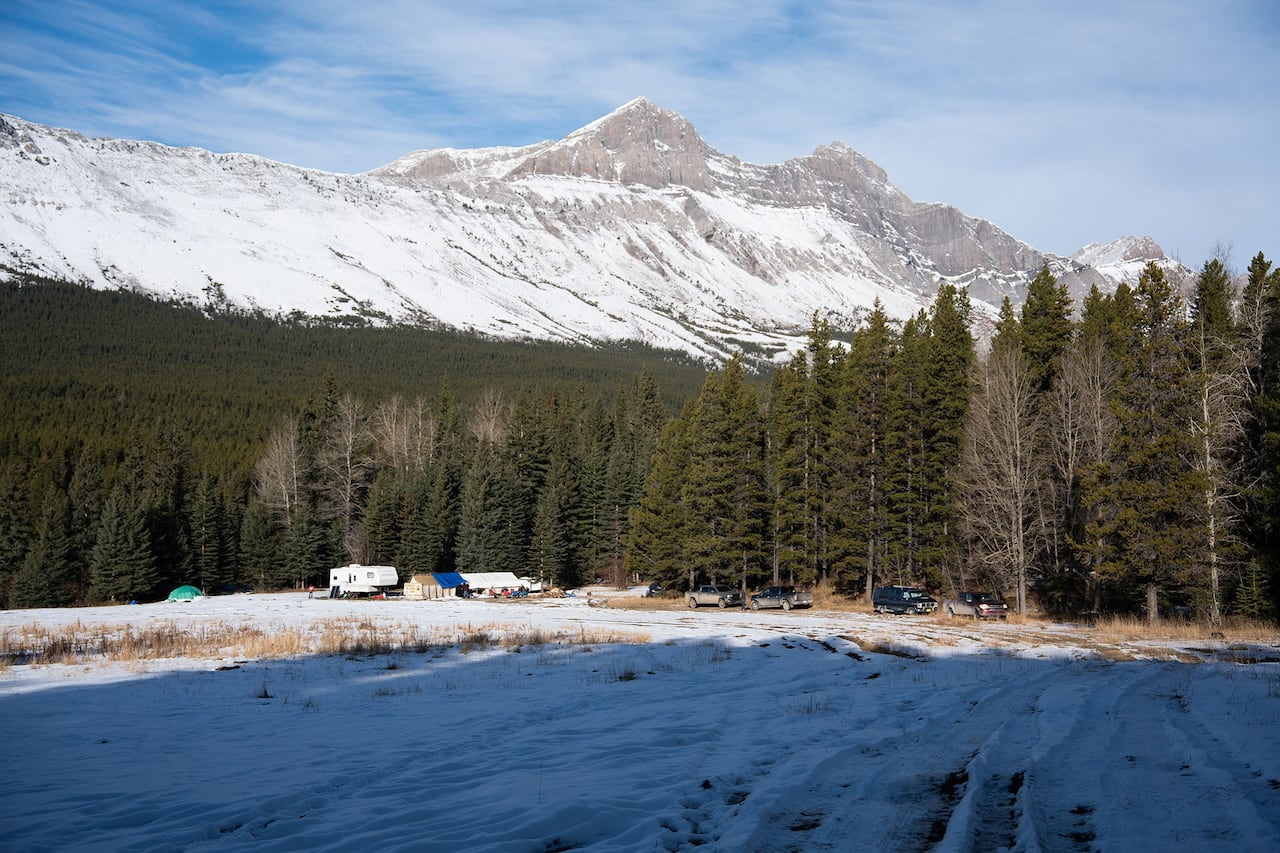
Environmental organizations are suing the Carney administration to compel the development of a climate plan aimed at meeting Canada’s legally binding climate commitments. Julia Levin from Environmental Defence Canada labeled Carney’s recent actions as a ‘deeply irresponsible and cynical way to govern.’
“We cannot afford to limit the growth of a vital sector of our energy mix, oil and gas, for the sake of short-term objectives,” he stated.
The Carney administration has yet to present a comprehensive climate strategy detailing its new policies and their anticipated emissions outcomes. Youth and advocates are pursuing legal action against the government, urging the courts to mandate Ottawa to disclose a climate plan that aligns with Canada’s legally binding climate obligations.
Canada falls behind other G7 nations in terms of emissions reductions. Even the United States is surpassing Canada, according to a former member of Ottawa’s net-zero advisory committee.
Global energy, security, and climate challenges
In an effort to establish his government’s unique strategy for addressing Canada’s elevated emissions, Carney recognized that “the climate crisis remains present, and our commitment to combat it is unwavering.”
However, the prime minister noted that Canada must also tackle security and energy challenges in the aftermath of the ongoing conflict involving the U.S. and Israel against Iran. This conflict has disrupted oil and gas supply through the Strait of Hormuz, a significant global energy conduit.
“The repercussions of the oil crisis resulting from the Iran conflict will persist for an extended period. It will be significantly easier to restore oil and gas supplies through the Strait of Hormuz than it will be to rebuild trust among global trading partners,” Carney remarked.
Canadians themselves, Carney points out, are not shielded from the economic repercussions of the war. The prime minister’s administration aims to protect the nation from these ongoing threats by striving to double the country’s electricity grid by 2050.
“The route to competitiveness lies in electrification. The journey to sustainability also hinges on electrification,” he asserted.
The world still requires Canada’s energy
Much of the17-minute YouTube video discusses Carney’s strategy to generate more clean energy and enhance connectivity among the country’s isolated provincial grids.
He pointed out that Canada does not dictate gas prices. Conversely, provinces primarily govern the rates that consumers pay for electricity.
He emphasized that as Canadians increasingly rely on electricity for heating, vehicle power, and factory operations, the production of additional clean and affordable energy will be crucial for both bolstering the economy and reducing emissions.
-
Natural gas will play a vital role in the strategy to double Canada’s electricity grid by 2050
-
Proponent, route, and Pathways remain unclear ahead of Alberta’s pipeline announcement
Carney also advocated for increasing Canadian oil and gas exports, asserting that the world still requires a dependable fuel source.
“Ensuring energy security means we will produce our conventional oil and gas in the most environmentally conscientious manner and export it to regions where it will have the most significant impact,” he stated.
“The reality is that no one can predict how long the global economy will depend on conventional energy. However, while it does, as much of that energy as feasible should originate from Canada, produced responsibly with a clear aim to reduce emissions over time.”
The prime minister highlighted that energy has historically been a source of both nation-building and division, referencing the federal government’s implementation of the National Energy Program in the 1980s. This program is regarded by some Albertans as an attempt by Pierre Trudeau’s administration to take control of the province’s resources.
At that time, the federal government perceived the initiative as a means to redistribute some of Alberta’s oil wealth while maintaining low prices for Canadians nationwide through various taxes and price controls.
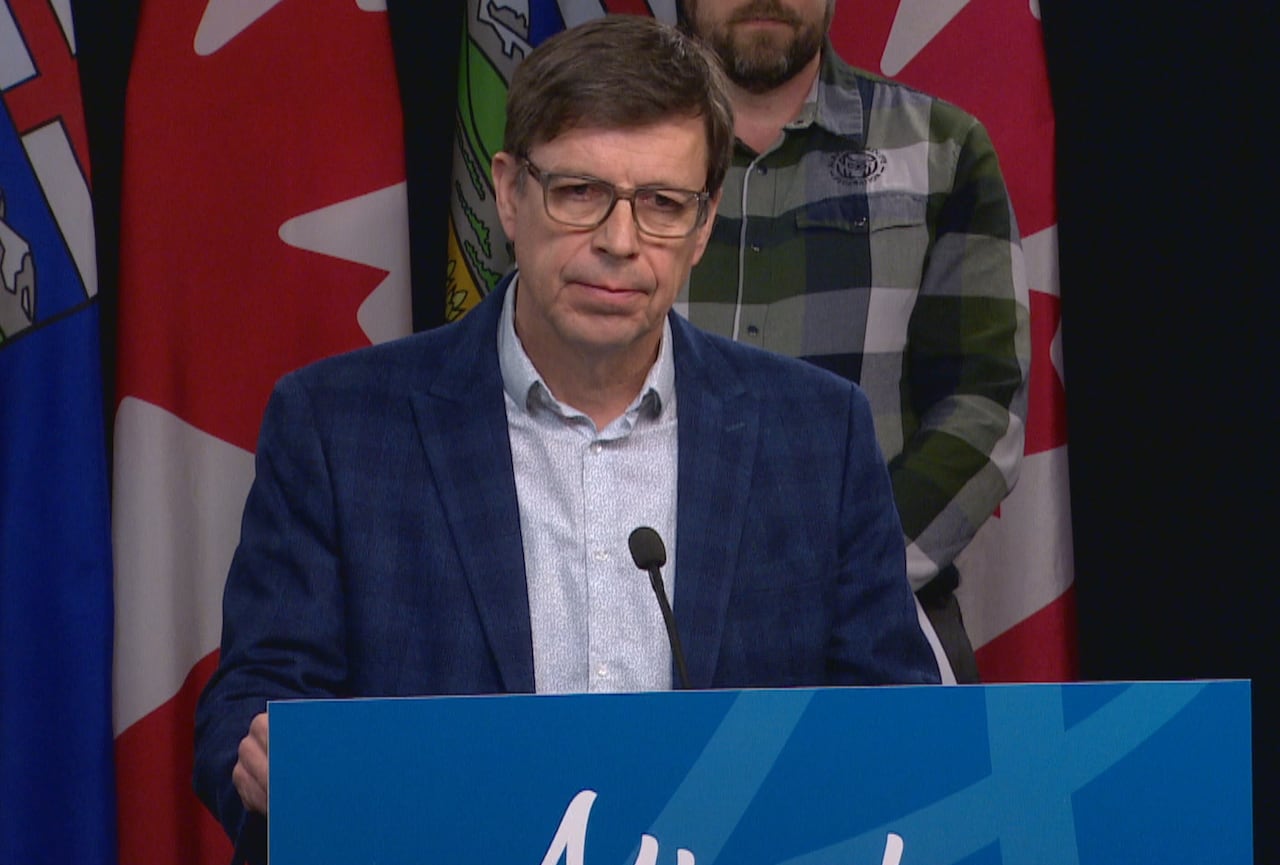
Prime Minister Mark Carney stated that while Alberta is responsible for submitting a proposal for an oil pipeline to the B.C. coast ‘on or around July 1,’ the federal process to determine whether to refer a plan to the Major Projects Office will take until October.
Carney expressed his intent to shift that perception as efforts to progress a potential pipeline from Alberta to Canada’s West Coast continue.
“I have endeavored as prime minister to the best of my abilities to move beyond those divisions by concentrating on what we can collectively build for the future,” Carney stated. “From my viewpoint, there is no more critical objective than fostering a strong, united country working in our common interest.”
Environmental groups supported the prime minister’s initiative to electrify the economy but criticized his plans to increase fossil fuel exports.
“Continuing to develop infrastructure to export additional Canadian oil during a period of demand destruction in Asia only threatens to further destabilize our economy, communities, and the planet,” remarked Caroline Brouillette, executive director of the Climate Action Network.
The Canadian Climate Institute, an independent organization that studies climate policy, acknowledged the video’s focus on electrification but emphasized that it does not substitute the necessity for an updated climate strategy.
“I genuinely believe that we must adopt a different perspective on climate policy approaches. However, the essential point is that we need a plan. We cannot merely theorize,” stated Rick Smith, the institute’s president, during an appearance on CBC’s Power and Politics.