


Fredericton-based artist Bruce Newman, known for his landscape paintings, used to frequent the United States for leisure and artistic endeavors. However, his visits came to an abrupt halt when President Donald Trump initiated a trade dispute with Canada and suggested its potential annexation as the 51st state.
Newman’s decision was further solidified by recent events in Minnesota involving clashes between U.S. Immigration and Customs Enforcement (ICE) officers and protesters. Expressing his concerns, Newman stated, “It’s just a scary place that the U.S. is becoming right now. I just don’t agree with any of it, and I don’t want to spend money there to support that type of thing.”
Following Newman’s footsteps, many Canadians with similar sentiments have joined a travel boycott to the U.S., resulting in a significant decline in Canadian air and land trips to the country, plummeting by 25% in 2025 compared to the previous year.
The trend persists, with March marking the 14th consecutive month of notable decreases in Canadian return trips to the U.S., dropping by 32% in March 2025 compared to pre-boycott levels. Amir Eylon, president of travel research consultancy Longwoods International, emphasized that the issue has not subsided, contrary to some expectations.
The impact of reduced Canadian travel on the U.S. tourism industry has been substantial, contributing to an $8.5 billion (4.6%) decline in international tourism spending in the U.S. last year, as reported by the World Travel and Tourism Council.
As Canadians seek alternative travel destinations, domestic tourism has seen a 2.5% increase in 2025. RBC economist Abbey Xu highlighted the shift in vacation spending patterns, with Canadians exploring domestic and overseas destinations beyond the U.S.
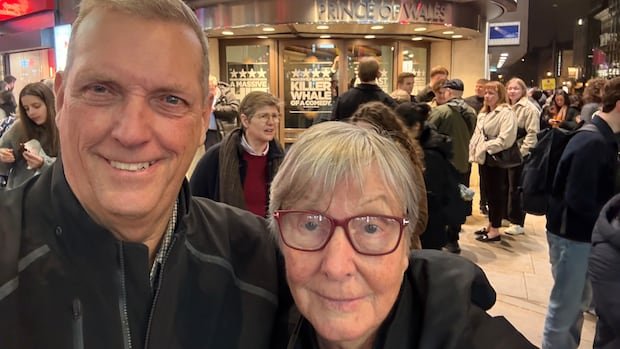
While Canadian travel to the U.S. witnessed a double-digit decline in 2025, overseas trips surged by nine percent, reflecting a broader trend of diversifying travel choices. Newman himself adapted to this trend by opting for trips to London and considering visits to Scotland and Gaspé, Que., for painting landscapes.
The U.S.-Canada travel boycott has prompted a reevaluation of travel habits, with Canadians exploring more domestic and international alternatives. The tourism industry is closely monitoring the evolving preferences and potential long-term impacts of altered travel patterns due to shifting geopolitical and economic factors.