


WARNING: This article discusses suicide.
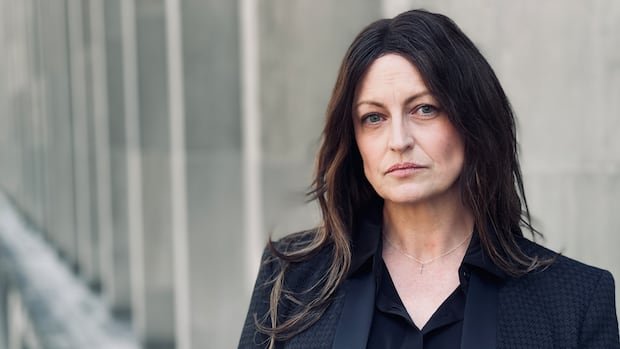
An individual from Canada, who has been advocating for the inclusion of mental disorders in medical assistance in dying (MAID) eligibility, is seeking a court exemption to allow a doctor to assist in ending her life.
For several years, Claire Elyse Brosseau has been grappling with mental health challenges, including bipolar 1 disorder, post-traumatic stress disorder, and disordered eating. Despite her desire for MAID, Brosseau does not meet the criteria under Canada’s current MAID laws due to her mental illnesses being the sole underlying conditions.
Brosseau has been actively involved in a legal battle with Dying with Dignity Canada to challenge the exclusion of individuals with mental disorders from federal MAID provisions.
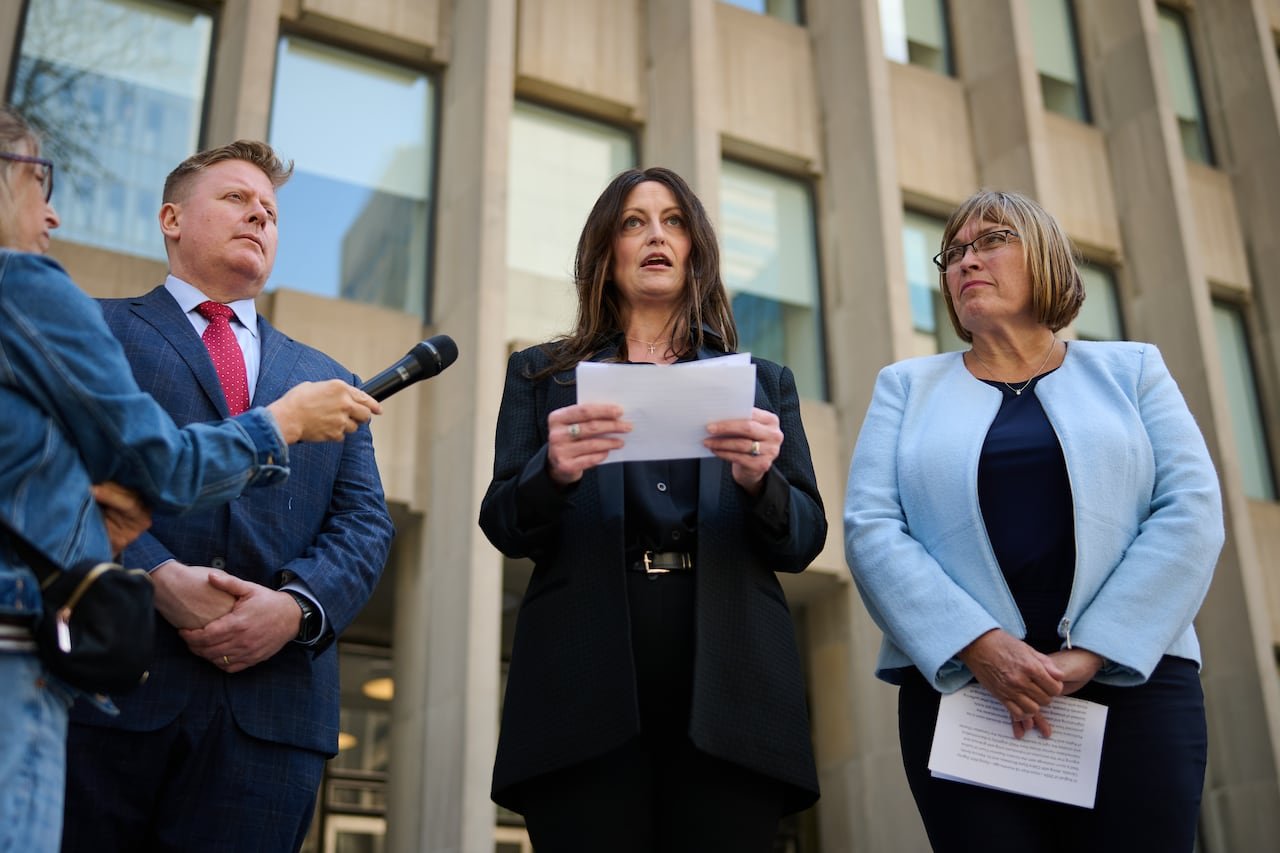
Standing outside the Ontario Superior Court of Justice in Toronto, Brosseau, accompanied by her lawyer, disclosed that she has urgently filed for an exemption, expressing her loss of hope and enduring state of “unrelenting suffering.”
“I shouldn’t be in this position,” remarked Brosseau, a 49-year-old resident of Toronto. “The government should rectify the exclusion preventing me from obtaining the relief I desperately need.”
Detailing her daily struggles, Brosseau shared that she experiences constant panic and dread upon waking, rarely ventures outdoors, and has minimal social interactions. Despite undergoing various treatments over the past three decades, Brosseau has found little respite.
Current Canadian MAID Legislation and Mental Illness Inclusion
The existing Canadian MAID laws apply to individuals aged 18 and above with a severe, incurable medical condition, experiencing a decline, and enduring unbearable suffering that cannot be alleviated.
There are currently two pathways available:
- Track 1: For individuals with a foreseeable natural death.
- Track 2: For those with a non-foreseeable natural death.
Mental illness is presently excluded from the legislation. Although an amendment is anticipated in March 2027, the federal government has postponed the expansion twice.
“Each delay exacerbates my suffering, which I am told to endure,” Brosseau emphasized on Monday. “I have been repeatedly urged to be patient, which I have been for years.”
Following the government’s second delay in 2024, Brosseau and Dying With Dignity Canada initiated a constitutional challenge against the federal government, arguing that the exclusion of individuals with mental illness from MAID access violates the Canadian Charter of Rights and Freedoms.
Brosseau’s legal representative, Michael Fenrick, highlighted that progress on the case hinges on the federal government’s response. Regrettably, federal attorneys missed the April 2026 response deadline with no set date for submission.

Fenrick expressed disappointment over the lack of urgency in addressing this critical issue. He stressed the necessity of a prompt resolution.
In a statement, a spokesperson from the federal Department of Justice acknowledged the complexity of the issues raised in the litigation, assuring ongoing efforts to respond adequately without specifying a timeline.
The statement emphasized