

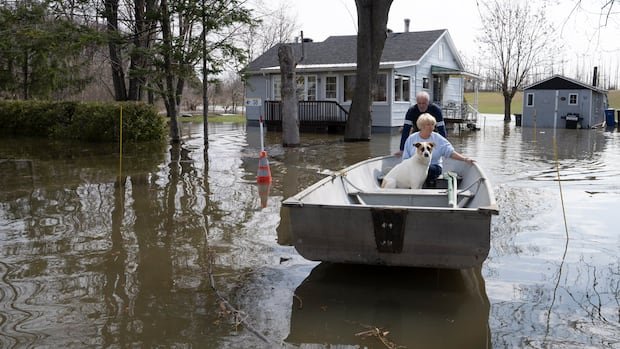

A recent report from the Auditor General’s office highlights the delays and shortcomings in Canada’s efforts to address flood risk and climate change adaptation. The promised portal for Canadians to assess their personal flood risk based on their address is still non-functional and lacks consideration for climate change impacts. The slow progress in creating and sharing essential flood maps hampers effective planning and protection of homes and infrastructure, exacerbating the country’s housing crisis.
According to Jerry DeMarco from the AG’s office, the absence of climate change projections and readily available flood maps hinders informed long-term planning decisions, such as construction and infrastructure development locations. Without up-to-date information, Canadians face increasing risks and higher costs for disaster recovery.
The report underscores the importance of incorporating climate change data into flood risk assessments to support informed decision-making for developers and homebuyers. The delayed launch of the Flood Risk Finder, which excludes climate change data, further underscores the inadequacy of current measures.
Approximately 80% of densely populated areas in Canada are situated in flood hazard zones, leading to rising federal spending on post-flood relief, averaging $230 million annually. Insured losses are even higher, with catastrophic losses exceeding $2 billion yearly, primarily due to water-related damages.
The report reveals that the lack of essential information on flood risk exposes Canadians to heightened vulnerabilities. The existing flood mapping systems are slow and insufficient, failing to prioritize high-risk areas efficiently. Natural Resources Canada’s commitment to enhancing flood mapping and ensuring public accessibility by 2028 is crucial for effective risk mitigation and informed decision-making.
In response to the report, Natural Resources Canada has pledged to collaborate with provinces and territories to expedite the availability of flood maps to the public. These maps are vital for guiding future housing and infrastructure development and enhancing overall risk management strategies in the face of climate change impacts.
The ongoing delays and gaps in flood mapping initiatives not only jeopardize public safety but also worsen the existing housing crisis in Canada, as emphasized by the Auditor General’s assessment. Addressing these challenges is imperative to safeguard communities and enhance resilience against environmental threats.