

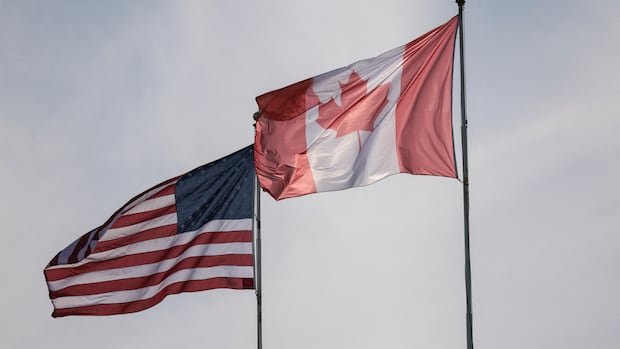

Canada and the United States are currently engaged in a significant trade dispute, with potentially severe implications. Last week, trade talks between the two nations fell apart, leading to the imposition of U.S. tariffs at a rate of 50 percent on Canadian goods totaling $27.6 billion.
In response, Prime Minister Mark Carney announced retaliatory measures, imposing equivalent tariffs on $27.6 billion worth of U.S. goods, scheduled to come into effect on September 8. President Donald Trump has since threatened additional tariffs, proposing an increase from 25 percent to 50 percent on Canadian automotive products and steel starting January 1, 2027.
Neither side appears willing to back down, prolonging the standoff and increasing concerns about the impact on Canadians. The Canadian government has earmarked $7.5 billion to support workers and businesses affected by the new tariffs.
As tensions escalate, journalists in Washington, including Willy Lowry, Katie Simpson, and Paul Hunter, delve into the potential ramifications of the ongoing trade conflict and what it would take to facilitate a resolution.
The trade war is anticipated to have far-reaching consequences, with Canadians likely to face challenging circumstances. The targeted nature of the U.S. tariffs, strategically aimed at products like hockey equipment and honey, is expected to particularly impact small to medium-sized businesses and communities reliant on specific industries.
The situation could lead to hardships for many Canadians, raising concerns about meeting financial obligations, supporting families, and maintaining access to recreational and educational activities. The absence of a clear path to de-escalation suggests that difficult conversations and potential economic difficulties lie ahead for the nation.
The government is implementing measures to support affected individuals and businesses, but the gravity of the situation underscores the need for resilience and unity among Canadians. Calls for patriotism and support for domestic products are being emphasized, although the reliance of the Canadian economy on trade with the United States poses challenges as the dispute prolongs.
The evolving dynamics of the Canada-U.S. relationship underscore the shifting landscape, with uncertainties surrounding the potential outcomes of the trade conflict. The onus may be on Canadians to navigate these challenges and demonstrate resolve in the face of economic pressures.