

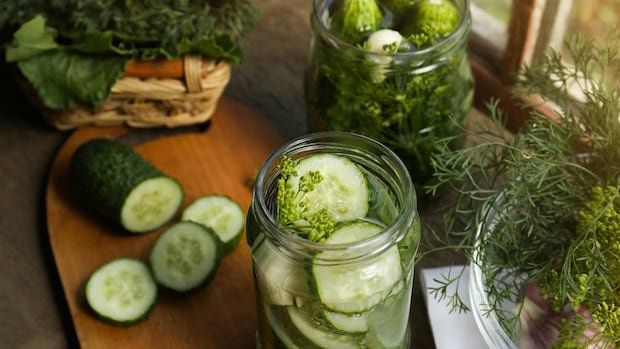

Stocking your pantry with homemade jams, jellies, pickles, and chutneys is a gratifying way to prepare for the colder months, preserving the vibrant flavors of summer in each jar. If you have a sizable garden, making preserves is an excellent method to utilize surplus produce.
However, when purchasing fruits and vegetables, especially for elaborate recipes like kumquats in brandy or strawberry-kiwi jam, crafting homemade versions can be pricier compared to store-bought options.
Thankfully, there are strategies to create cost-effective preserves. Here are tips on how to store the best of the season for the future while saving money!
Embrace Seasonal Produce
A key tip for budget-friendly preserves is to prioritize seasonality. Utilizing in-season produce not only ensures higher quality but also supports local farmers. Visit farmers’ markets to access fresh, locally grown ingredients.
Consider subscribing to newsletters from preferred farmers or engaging directly with them to secure bulk orders of items like strawberries or tomatoes.
For urban dwellers, exploring markets outside the city can offer better deals on bulk purchases and slightly imperfect yet perfectly edible produce ideal for preserving.
Adjust Batch Sizes for Savings
While purchasing in bulk might seem cost-effective, making smaller batches tailored to your consumption needs can prevent food wastage. Most recipes can be easily scaled down to suit your requirements.
Explore cookbooks specializing in small-batch canning, such as Marisa McClellan’s Preserving by the Pint, which features recipes yielding only a few jars each.
Collaborate for Cost-Effective Preserving
Plan canning sessions with friends or family to share costs, equipment, and workload. Reusing Mason jars is recommended, while organizing collective canning allows for leveraging bulk purchases without waste.
Engaging with community organizations like Not Far from the Tree in Toronto can also provide access to free fruits for preserving, reducing costs and food waste.
Utilize pick-your-own farms for fresh produce, ensuring optimal quality for preserving endeavors.
Utilize Overripe Fruit Wisely
Avoid using overripe fruits for jam-making, as they can affect the consistency due to lower natural pectin levels. Consider repurposing past-their-prime fruits for compotes, syrups, or chutneys to diversify your pantry.
Minimize Waste with ‘Nose-to-Tail’ Preservation
Transform fruit and vegetable trimmings into secondary products like syrups, fruit leather, or vinegar to minimize waste and maximize utility.
Embark on your preserving journey with a seasonal lineup, from strawberry jams