

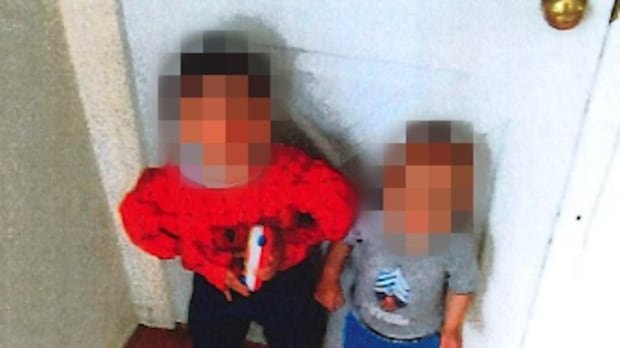

In a tragic case, a 12-year-old boy was discovered unconscious and severely malnourished before passing away in a hospital. Two Indigenous brothers were reportedly subjected to harsh conditions, including being forced to sleep in a mesh tent while being restrained with zip ties attached to their clothing. Disturbing audio recordings and text messages from prospective adoptive parents referred to the children using derogatory terms like “f–kface,” “loser,” and “dumb brat.”
The trial of Becky Hamber and Brandy Cooney, a couple from Burlington, Ont., has revealed these horrifying details. The couple faces charges of abusing the two brothers they were in the process of adopting and the alleged murder of the older boy, identified as L.L., who tragically passed away on December 21, 2022. Hamber and Cooney have entered not guilty pleas to all accusations.
The judge-only trial concluded with closing statements on Friday after ongoing proceedings since September. The case has shed light on deficiencies in Ontario’s youth protection system, according to child welfare advocates. This instance also underscores broader systemic failures observed throughout Canada.
Cindy Blackstock, a First Nations child advocate based in Ottawa, emphasized the importance of recognizing patterns beyond individual offenders’ abhorrent behaviors. Advocates stress the necessity of connecting these cases to identify systemic issues.
The two brothers were under the care of the Children’s Aid Society (CAS) in Ottawa but were supervised by the Halton CAS after relocating to Burlington in 2017. Despite numerous reports of suspected abuse made to the CAS during the five years they resided with Hamber and Cooney, there were no solo conversations with the children or unannounced visits by CAS workers, as revealed in court.
Tragically, similar high-profile cases across Canada have involved children passing away while under the supervision of the youth protection system. However, there is no comprehensive national registry tracking such incidents, with each province and territory managing data differently.
Cheyanne Ratnam, a former child welfare system recipient turned advocate, advocates for a national registry to document and analyze these occurrences for systemic improvements. Ratnam stresses the importance of understanding the reasons behind these deaths and taking necessary actions to prevent them in the future.
Advocates argue that transparency is crucial in examining failures within the child welfare system. The lack of detailed information on the guardrails that failed in L.L.’s case highlights the need for more openness and accountability.
The tragic circumstances involving the Indigenous brothers underscore the urgency of implementing the Truth and Reconciliation Commission of Canada’s initial five calls to action. These recommendations aim to address systemic issues within the child welfare system, particularly affecting Indigenous communities.
Indigenous children are disproportionately represented in Canada’s youth protection system, sparking concerns about cultural disconnection and inadequate support. Blackstock emphasizes the recurrent nature of recommendations that go unimplemented, calling for substantial structural changes to prevent further tragedies.
The failure to act on long-standing recommendations could perpetuate the cycle of systemic issues, potentially leading to more devastating outcomes for vulnerable children.