

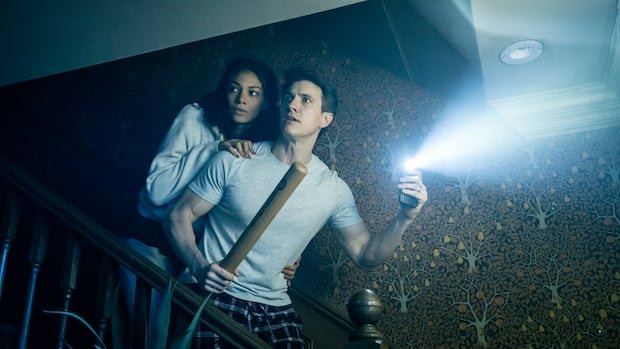

On the premiere night of the theatrical production of “Paranormal Activity” in Toronto this June, an audience member booed the lead actor during his performance. The booing was not directed at the actor’s performance but rather the character’s choices on stage.
Following the incident, some audience members took to online platforms to express their dismay over the lack of theatre etiquette displayed. One Reddit user suggested that the individual who booed should be reprimanded, emphasizing the need for a respectful atmosphere during performances.
Concerns were also raised about other disruptive behaviors during the Mirvish production, such as nervous chatter and laughter during suspenseful moments in the horror-themed show.
Lead actor Patrick Heusinger, who has been part of the “Paranormal Activity” stage adaptation since its debut in 2025, acknowledged that the production attracts a diverse audience, including those unfamiliar with traditional theatre norms. He expressed understanding towards audience behaviors like eating popcorn and making noise, stating that engaging with the performance is a positive sign of audience involvement.
In response to evolving audience preferences, Mirvish Productions introduced a “chilled performance” concept for its production of “& Juliet,” a musical offering a contemporary twist on a Shakespearean classic. During these performances, attendees are encouraged to interact more freely, with the house lights partially lit and the option to move around during the show.
The goal of chilled performances is to create a welcoming environment for all audience members, including those with different needs or preferences, fostering inclusivity in the theatre-going experience.
Furthermore, Cineplex has adapted to changing audience behaviors by accommodating activities like sing-alongs and live sports screenings in their theatres. The company’s approach aims to cater to diverse audience interests while maintaining an enjoyable movie-watching experience.
Theatre critic Ryan Borochovitz highlighted the historical evolution of theatre etiquette and its potential impact on inclusivity. He suggested practical changes, such as adjusting lighting to reduce distractions from cellphones, and promoting clear expectations to enhance audience engagement and enjoyment during live performances.