

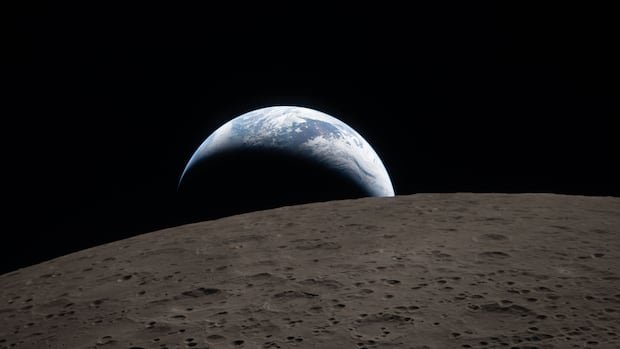

NASA is embarking on a new “moonshot” mission, aiming to return astronauts to the lunar surface by early 2028. Despite the monumental task at hand, the main challenge lies in the tight timeline set by the space agency, with just 24 months remaining. While NASA has enlisted the help of Jeff Bezos’s Blue Origin and Elon Musk’s SpaceX for lunar lander development, no finished product has been publicly unveiled yet.
SpaceX has been testing its Starship rocket, a crucial component for the lunar mission, with some progress but not yet ready for the mission. Without a functional lunar lander, the entire lunar mission remains at a standstill.
Considering NASA’s history of project delays, doubts linger about meeting the 2028 deadline. Past setbacks, including the recent Artemis II mission delay, raise concerns about the feasibility of the ambitious timeline. The space agency’s track record with projects like the space shuttle and the International Space Station underscores the challenges of meeting lofty goals within set timeframes.
In a recent development, NASA announced revisions to its Artemis program, shifting the timeline and responsibilities for upcoming missions. The Lunar Gateway space station plans were put on hold, and the focus is now on Artemis IV for the lunar landing mission. However, the absence of ready-to-use lunar landers poses a significant obstacle to the mission’s success.
Experts express skepticism about the feasibility of the revised timeline, citing delays in spacecraft development and testing as major hurdles. The need for rigorous testing, including ship-to-ship fuel transfer trials, adds complexity to the mission timeline. Concerns also arise about technical challenges, such as the reliability of the human landing systems and the delay in spacesuit development.
As NASA races against time to achieve its lunar goals, the looming question remains whether the agency can surpass China’s parallel efforts to land humans on the moon by 2032. The tight schedule, coupled with ongoing technical challenges, underscores the daunting task ahead for NASA in its quest to return to the lunar surface.