


B.C. taxpayers have allocated close to $300,000 over the past five months for transporting inmates to and from court in remote areas within the province. From December 2025, the B.C. Sheriff Service organized 31 flights to shuttle individuals facing criminal charges between their detention center and the respective courthouses, as disclosed by the Ministry of Attorney General to CBC News.
The substantial expenditure has sparked criticism from Crown prosecutors, defense attorneys, and the Official Opposition. Andrew Duncan, a Crown prosecutor in Kamloops and a director for the B.C. Crown Counsel Association’s Southern Interior region, expressed concerns about the significant costs incurred. He highlighted the funds could have been utilized for critical resources such as hiring more sheriffs, community corrections workers, and additional prosecutors.
B.C. Supreme Court Associate Chief Justice Heather Holmes issued a notice cautioning about the unsustainable situation, noting the potential impact of charter flight unavailability. Consequently, criminal trials in remote regions might face rescheduling, relocation, or even the release of suspects from custody.
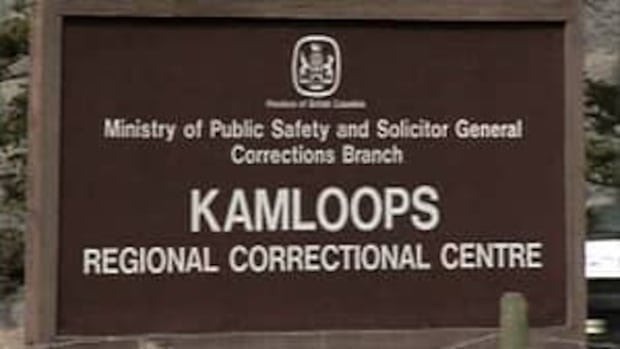
The underlying issue traces back to an RCMP directive in January 2025, whereby the police lacked the resources to detain suspects in local cells where the trials were held. With only two correctional centers in the B.C. Interior and the North, accused individuals were compelled to traverse long distances between Kamloops and Prince George for court proceedings in smaller towns like Williams Lake, Terrace, or Fort St. John. In some instances, private aircraft were employed for these journeys at a cost of approximately $1,000 per flight.
Notable communities at risk of experiencing court delays include Cranbrook, Dawson Creek, Fort St. John, Nelson, Powell River, Prince Rupert, Revelstoke, Rossland, Smithers, Terrace, and Williams Lake, as highlighted by Holmes. Public Safety Minister and Solicitor General Nina Krieger affirmed that efforts were underway to prevent trial delays or inmate releases due to transportation challenges. Measures such as virtual bail hearings were being explored to alleviate the strain on the judicial system.
Conservative MLA Steve Kooner criticized the provincial government, labeling the management of the criminal justice system as “gross mismanagement.” Concerns were also raised by Kamloops-based defense lawyer Jay Michi, advocating for video appearances during trials to minimize travel, especially when private planes were the sole option.
Vancouver-based criminal defense lawyer Kyla Lee emphasized the seriousness of the affected cases, involving charges like murder and sexual assault, underscoring the public interest in prosecuting such offenses. Duncan, the Crown prosecutor, echoed these sentiments, emphasizing the need to preserve community safety through effective judicial processes.
Despite the challenges, Krieger reassured that preventive measures were in place to ensure no inmate releases or trial delays. Innovative and collaborative solutions were being implemented to uphold justice and prevent disruptions in legal proceedings.