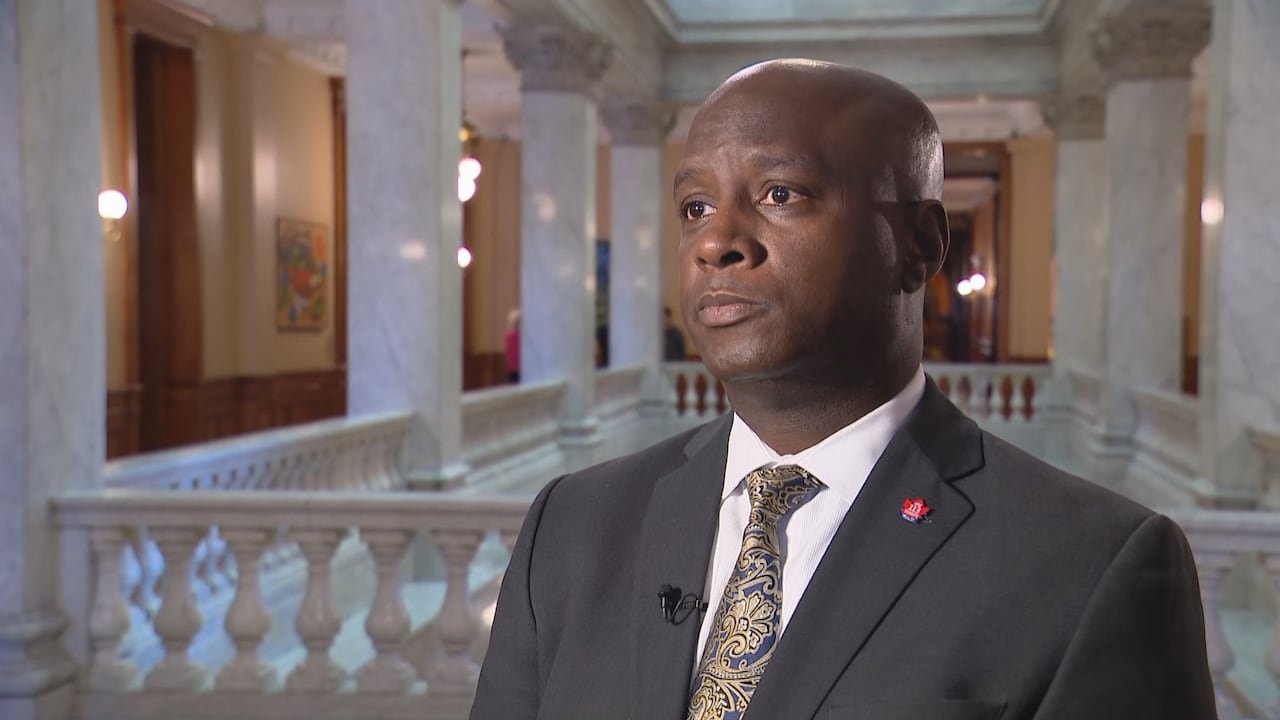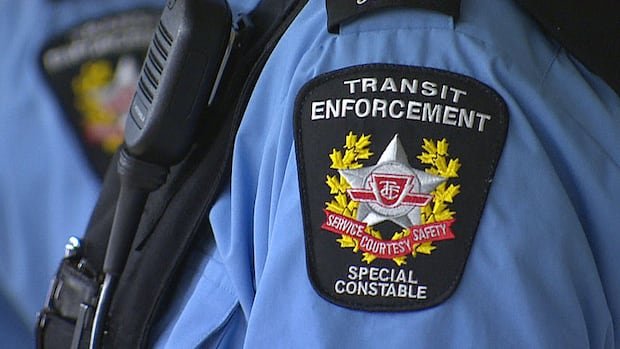

In a move to combat illegal drug use in public spaces, the Ontario government has announced plans to empower special constables to conduct arrests on transit, a decision that some advocates caution could potentially harm the most vulnerable individuals in the province.
Speaking at Downsview station on Monday, Solicitor General Michael Kerzner explained that the initiative aims to enhance the sense of security for commuters, given the unsettling and hazardous encounters that can arise from interactions with individuals using illicit substances in enclosed transportation settings like buses, streetcars, subways, or trains.
“Too many Ontarians are being exposed to individuals whose conduct is influenced by these substances in their daily commutes to work,” Kerzner stated. “It is essential for individuals riding public transit to feel safe and secure.”
The proposal grants special constables on GO Transit, the Toronto Transit Commission (TTC), and OC Transpo in Ottawa the authority to intervene in instances of illegal substance use on transit vehicles, issuing tickets or making arrests as necessary.
Special constables deployed on the TTC in Toronto, known as peace officers, are appointed by the Toronto Police Services Board but do not carry firearms, relying on pepper spray and batons for enforcement.
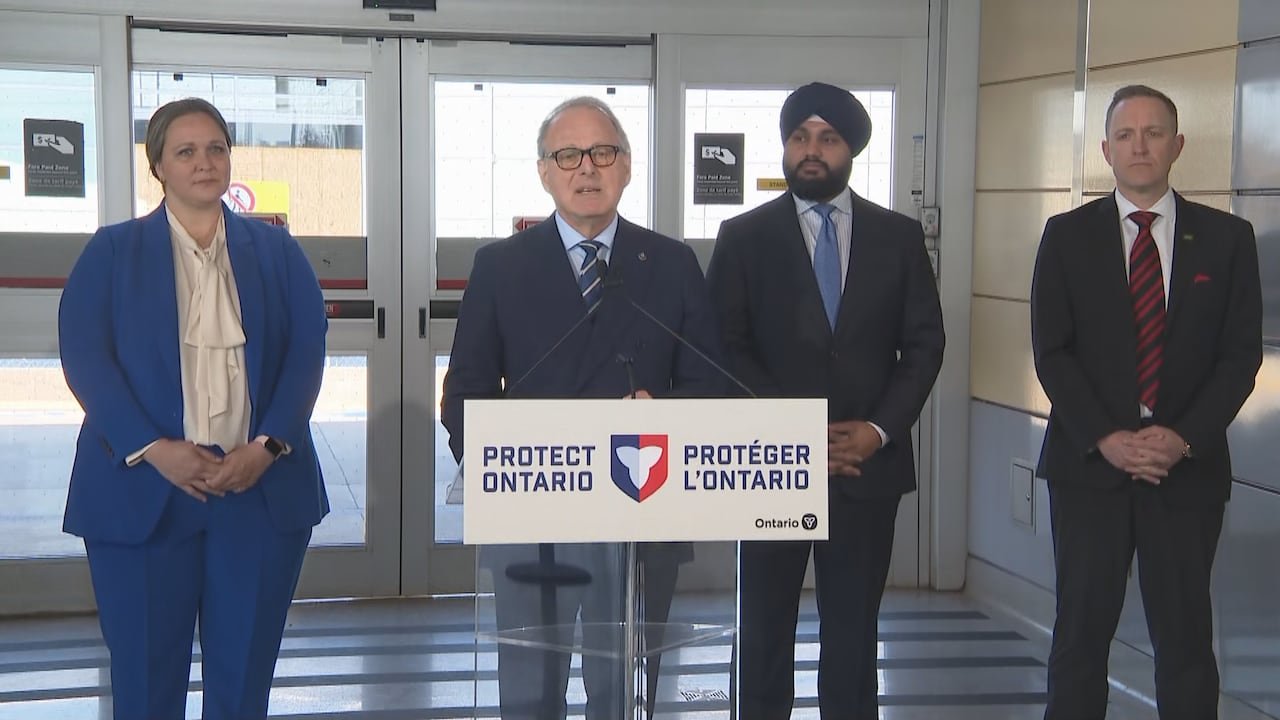
Kerzner disclosed that the regulatory adjustment will be part of a series of forthcoming legislative measures, set to take effect in July. The amendment will modify the 2025 Restricting Public Consumption of Illegal Substances Act, designed to deter public drug use.
Additionally, the revised regulations will include prohibitions on the possession of pill presses and precursor chemicals for illicit drug manufacturing purposes. Furthermore, the government intends to criminalize commercial landlords who knowingly permit illegal drug production on their premises.
Expressing his support for the initiative, Premier Doug Ford emphasized in a statement on Monday that “Ontario transit riders have grown weary of the perilous, illegal, and open drug use on our subways, buses, and streetcars.”
Concerns Raised by Advocates
However, the Canadian Civil Liberties Association (CCLA) raised apprehensions on Monday regarding the potential impact of the policy change on Ontario’s homeless and racialized communities. The CCLA argued that increased policing is not an effective solution to public drug use and could result in the profiling of marginalized groups on public transportation.
“Addressing these public health challenges requires more than just policing and law enforcement,” remarked Harini Sivalingam, CCLA’s equality director. “Compassion, housing, support, and community are essential to resolving these issues.”
Sivalingam suggested that crisis workers with proper training would be better equipped to handle emergencies on transit, highlighting that the Ford government’s decision could exacerbate public safety concerns stemming from the province’s ongoing drug crisis by terminating funding for supervised consumption sites.
Andrew Pulsifer, the executive director of transit advocacy group TTCRiders, expressed his reservations about the bill, echoing concerns about heightened policing.
“We fear that this could lead to racial profiling, the criminalization of poverty, and other negative consequences,” Pulsifer remarked.
He emphasized the importance of a compassionate approach towards individuals in crisis, asserting that an increased police presence might make certain TTC passengers feel less secure.