

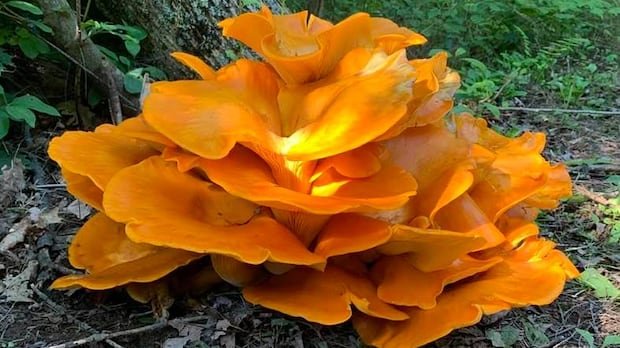

At a UN summit focusing on global biodiversity, scientists are advocating for the protection of fungi, an often overlooked but crucial kingdom of species. Fungi, which outweigh the world’s animals six times over, encompass an estimated 5 million diverse species ranging from edible mushrooms to microscopic organisms vital for ecosystems.
Chilean mycologist Giuliana Furci emphasized the significance of fungi, stating that without them, the world as we know it would not exist. Despite their importance, fungi have historically been excluded from conservation efforts aimed at plants and animals, prompting Furci to establish the Fungi Foundation in 2012.
Recently, the Global Fungal Conservation Network, including organizations like Mycosphaera from Canada, launched the Global Strategy for Fungal Conservation at the COP17 UN biodiversity conference in Armenia. The initiative aims to address the lack of fungal conservation in global agreements such as the 2022 Kunming-Montreal Global Biodiversity Framework.
Fungi, recognized as a separate kingdom since 1969, play crucial roles in sustaining plant and animal life. Furci highlighted that neglecting fungi in conservation efforts hampers our understanding of ecosystem functions and exacerbates environmental crises like climate change and biodiversity loss.
While fungi face similar threats to other organisms, such as habitat loss and climate change, they remain underrepresented in conservation actions. Recognizing the pivotal role fungi play in ecosystems is essential as they are integral to nutrient recycling, plant health, and myriad other functions vital for life on Earth.
Efforts to protect fungi face challenges due to their vast diversity, difficulty in identification, and underground existence. Conservationists are advocating for greater recognition of fungi within international agreements to enhance biodiversity monitoring, conservation planning, and ecosystem restoration efforts.
By raising awareness about the importance of fungi in everyday life and advocating for their inclusion in conservation initiatives, individuals can contribute to safeguarding these essential organisms for the planet’s health and sustainability.