

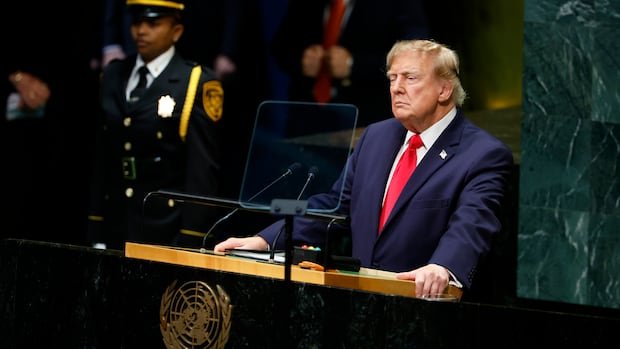

In a recent address at the United Nations General Assembly, U.S. President Donald Trump emphasized America’s dominance and reiterated his “America first” policy. He called out countries like Iran, issuing threats if they did not comply with U.S. demands. While Trump did not mention Canada during his speech, he had previously hinted at redirecting U.S. potash purchases to Belarus before adjusting his stance.
Additionally, Trump struck a deal with Denmark and Greenland to bolster U.S. military presence in the Arctic, a move that followed previous threats of forceful acquisition. As Trump navigates his unique diplomatic approach, questions arise about the status of his allies and his level of concern for these relationships.
Notably, Trump’s recent social media post hinted at potentially sourcing potash from Belarus instead of Canada, showcasing his willingness to prioritize his America-centric agenda over traditional alliances. This decision, despite Belarus’ ties to Russia and controversial leadership, underscores Trump’s pursuit of what he deems as victories for the U.S.
The ongoing dynamics in global alliances, especially in light of Trump’s actions, have raised concerns about the shifting landscape of international relations. The diminishing allure of the U.S. on the world stage, attributed to Trump’s alienation of longstanding allies, has been a point of contention. The repercussions of these strained relationships, as highlighted by world leaders like Prime Minister Carney, reflect a significant departure from the previously established norms of international diplomacy.