


The recently concluded Milano Cortina 2026 Winter Paralympics marked a significant milestone in Paralympic history with record-breaking participation and viewership numbers. Over 600 athletes from 55 national Paralympic committees competed in 79 medal events across six sports, showcasing the growing inclusivity of the Games. Notably, there was a surge in female athlete representation, reflecting a positive trend towards gender equality in sports.
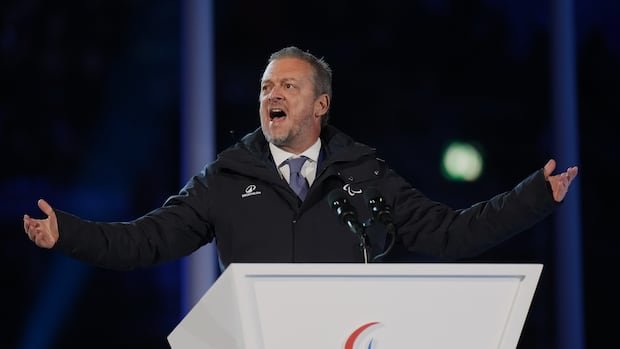
International Paralympic Committee (IPC) president Andrew Parsons revealed that the Games garnered a staggering 650 million video views over a span of 14 days, surpassing the total viewership for the entire year of 2024, including the Summer Paralympic Games in Paris. This unprecedented viewership underscores the increasing popularity and global appeal of the Paralympic movement.
Despite the success of the recent Paralympic events, Parsons emphasized the potential for further growth and development, particularly in elevating the Winter Paralympics’ profile and enhancing opportunities for athletes. Looking ahead to future editions, Parsons envisions expanding the sports lineup for the Winter Games, aiming to introduce new disciplines by 2030 and 2034, including skating sports to bridge the gap in the current program.
Addressing gender balance in the Winter Paralympics remains a priority for Parsons, as he advocates for increased female participation across all sports. While the 2026 Games saw a record number of female competitors, there is room for improvement to align with the gender parity achieved at the Summer Paralympics. Proposals to introduce women’s Para ice hockey to the Paralympic program by 2030 aim to enhance diversity and inclusivity within winter sports.
In light of challenges such as climate change and geopolitical tensions impacting the Games, Parsons underscores the importance of prioritizing athletes’ experiences and maintaining the focus on sportsmanship. As preparations begin for future Paralympic editions, including Los Angeles 2028, efforts to promote diversity and inclusion for individuals with disabilities remain central to the IPC’s mission, aiming to reshape societal perceptions and foster a more inclusive sporting landscape.