


The Victoria Day holiday weekend traditionally marks the commencement of the gardening season, and this year, gardeners have received updated guidance on which new plant varieties might thrive in their local outdoor conditions. John Pedlar, a research scientist at the Canadian Forest Service, highlighted that this shift is primarily due to changing climatic patterns. Recently, a team of researchers, including Pedlar, revised Canada’s “plant hardiness zone map” for the first time in ten years. This map serves as a valuable tool for both nurseries and amateur gardeners to identify plant species most likely to flourish in specific climates.
The updated data, released by Natural Resources Canada (NRCan) in July last year, offers insights based on factors such as rainfall, winter temperatures, and wind patterns. The plant hardiness zones are categorized based on comparable climate conditions, ranging from the barren 0A zone where minimal growth occurs to the verdant 9A zone. Pedlar emphasized the direct link between plant survival and climate, indicating that areas with similar hardiness zones also tend to have similar plant compositions.
Although the most significant adjustments to the map were observed in western Canada, regions like Almonte in eastern Ontario saw a notable increase by a full zone. Additionally, areas surrounding communities like Kemptville and Smiths Falls experienced a half-zone rise. Consequently, gardeners in these areas may now have the opportunity to cultivate cherries, pears, and certain types of apricot that were previously unsuitable for the local climate. Notably, Ottawa and Kingston maintained their position in Zone 5A without any alterations.
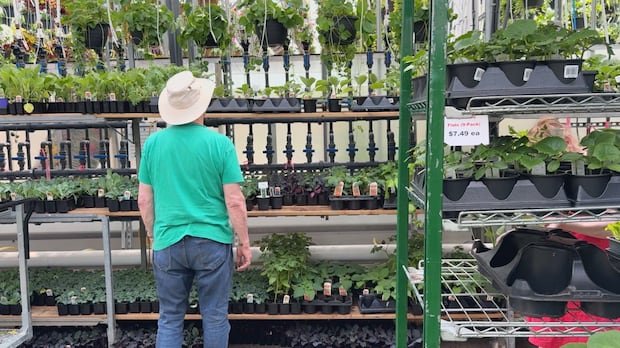
At Robert Plante Greenhouses in east Ottawa, staff have been consistently updating their inventory to adapt to the evolving climate conditions. Colin Matassa, the greenhouse manager, mentioned that the changing climate has expanded the variety of plant species suitable for their region. Matassa highlighted that plant information tags indicate the specific hardiness zone compatibility, making it easier for gardeners to make informed choices.
The lead-up to the May long weekend typically marks a peak period for Robert Plante Greenhouses, with increased foot traffic from customers like Christine Dobson, who is redesigning her family’s yard. Dobson emphasized the importance of balancing aesthetic preferences with climate-appropriate plant selections. While the revised hardiness zones present new opportunities for gardening enthusiasts, Pedlar noted that these changes also reflect broader climate change trends. Nevertheless, he cautioned that the adjustments to the map are relatively minor and do not signify a sudden transformation in Ontario’s agricultural landscape.