


Canadian conservationists and wildlife experts express concern following the decision made by the U.S. President Donald Trump’s administration to weaken habitat protections for endangered species in July. The U.S. Department of the Interior announced on July 10 that it would revoke a long-standing definition of “harm” under the Endangered Species Act (ESA).
This move has been criticized by wildlife and environmental groups, who argue that it disregards the critical ecosystems that vulnerable species rely on amidst ongoing biodiversity loss and industrial activities. In response, nearly a dozen organizations have filed a lawsuit in U.S. District Court to challenge the repeal, which is set to take effect on September 14.
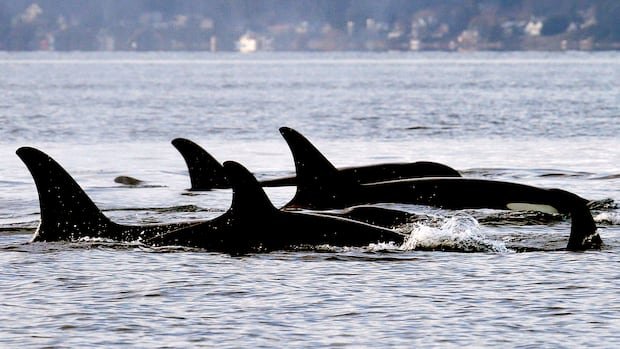
Experts in Canada have highlighted the potential impact of this change on animals that traverse both countries, such as migratory birds, northern spotted owls, grizzly bears, and southern resident killer whales. Torrance Coste, the associate director of the Wilderness Committee advocacy group in British Columbia, emphasized the interconnected nature of these species between U.S. and Canadian waters.
The alteration in the definition of “harm” by the U.S. administration has raised significant concerns among conservationists, with Noah Greenwald, co-director of endangered species at the Center for Biological Diversity, stating that it undermines decades of species protection efforts. The decision could have repercussions on wildlife populations in Canada as well.
Habitat destruction is identified as a key driver of biodiversity loss globally, making it challenging to protect animals that rely on specific habitats. Dennis Murray, a biology professor at Trent University, highlighted the importance of safeguarding entire home ranges for wildlife, rather than just specific areas or nests.
While the focus has been on U.S. policies, Canadian experts caution that Canada is also facing challenges in conservation efforts. The Canadian government’s efforts to expedite permitting for major infrastructure projects have raised concerns among conservationists. The potential changes in legislation and regulations to exempt specific projects from species protection tests have been met with apprehension.
Both Canada and the U.S. are urged to enhance species protection measures and strengthen conservation laws to address the growing threats to wildlife. The importance of collaboration between the two countries on wildlife conservation is emphasized, with a shared commitment to preserving nature and biodiversity.
The potential impact of these policy changes on wildlife and ecosystems underscores the need for continued vigilance and proactive conservation efforts to ensure the protection of endangered species in both countries.