

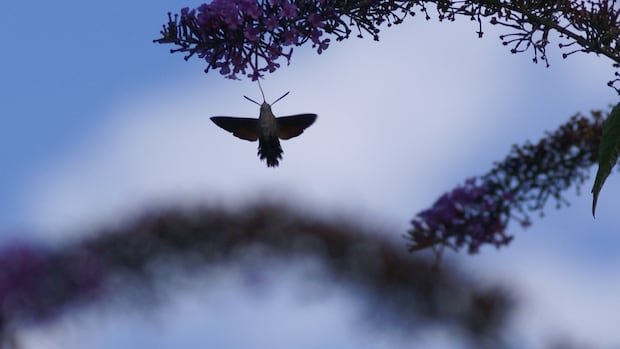

Insects are experiencing a decline in abundance worldwide, including in Canada. Recent studies indicate a significant drop in insect populations, which can have far-reaching impacts on various ecosystems. Research conducted by York University’s Hadil Elsayed in southern Ontario revealed a drastic decrease in the total mass of insects collected at two protected sites since the 1990s. This decline is consistent with findings from other studies globally.
Elsayed’s meticulous insect trapping efforts between 2021 and 2023 showed a 50% reduction in the total mass of trapped insects compared to the early 1990s. Her research, yet to be peer-reviewed, highlights the concerning trend of diminishing insect populations. The study also emphasizes the importance of insects like midges, which serve as a vital food source for fish, birds, and bats.
The decline in insect populations poses a threat to various species that rely on insects for survival. Conservationist Andrew Whitehouse emphasizes the critical role that common insect species play in maintaining ecosystem balance through pollination and decomposition processes. The decrease in insect numbers can have cascading effects on food chains and biodiversity.
In addition to ecological impacts, the decline in insect populations can also affect humans indirectly, as insects are essential for pollination, pest control, and overall ecosystem health. Whitehouse urges action to reverse insect declines by promoting habitat conservation, reducing pesticide use, and planting native vegetation. While the situation is concerning, there is hope that concerted efforts can help restore insect populations and preserve biodiversity.
As the world grapples with the ongoing decline of insect populations, it is crucial for individuals and communities to recognize the value of insects in maintaining a healthy environment. By understanding the intricate roles insects play in ecosystems, we can work towards preserving their populations and safeguarding the interconnected web of life on Earth.