

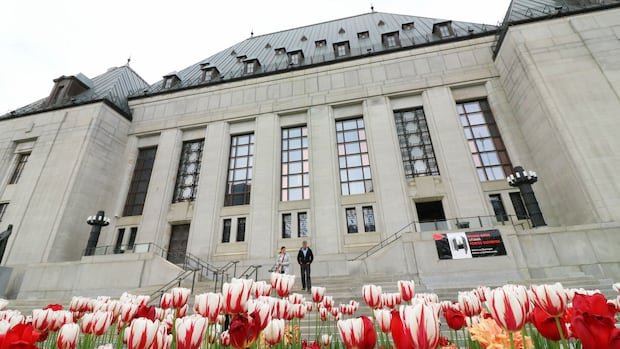

The Supreme Court of Canada has granted British Columbia’s appeal regarding a ruling that declared the United Nations Declaration on the Rights of Indigenous Peoples and the provincial mineral claims regime as “inconsistent.” The B.C. Court of Appeal determined in December that the provincial Declaration on the Rights of Indigenous Peoples Act (DRIPA) should be interpreted to include UNDRIP into B.C.’s laws immediately.
The Gitxaala Nation, one of the parties challenging the law alongside the Ehattesaht First Nation, referred to the Court of Appeal’s decision as groundbreaking. They contended that the operation of an online registry allowing “free miners” to register mineral rights claims on Crown land without consulting affected First Nations was against the Crown’s duty to engage with them.
DRIPA was enacted into law by the provincial government in November 2019, with the government highlighting that the act sets the UN declaration as the reconciliation framework for British Columbia. B.C. Premier David Eby expressed concerns in December that the Court of Appeal’s decision could potentially give courts more authority than British Columbians in the matter. He emphasized the importance of the province’s residents, through their elected representatives, retaining control of the process for the sake of the province’s prosperity and future certainty.
The Supreme Court has agreed to review the case without providing reasons and has not set a hearing date yet.