

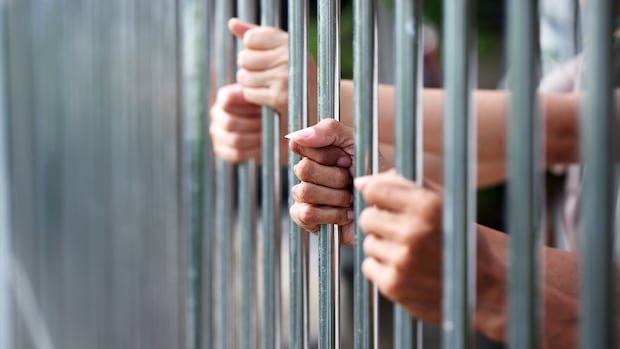

Bonny Spencer, a retired social worker and Métis knowledge keeper at the Edmonton Institution for Women, highlighted the challenges faced by female inmates serving time far from their families and supports due to the lack of women’s prisons in certain provinces. The distance often hinders the rehabilitation efforts of these women, with some having to miss significant family events like funerals.
The absence of women’s prisons in provinces like Manitoba was emphasized during a recent sentencing of a former hockey coach, Madison Biluk, who received a six-year prison term for sexual assault. Biluk’s lawyer, Saul Simmonds, raised concerns about the disadvantage faced by female inmates in Manitoba compared to men, who have access to facilities like Stony Mountain Institution for support.
Experts in the justice system echoed the need to address the issue to improve the rehabilitation prospects of women in prison, especially considering the rising number of female inmates in recent years. Indigenous women, who make up a significant portion of the incarcerated female population, are particularly affected by the lack of suitable facilities.
While alternative options like healing lodges exist, they are limited in capacity and may not cater to all inmates. Efforts are being made to expand agreements and facilities to better support female inmates and enhance their chances of successful reintegration into society post-release.
Improving resources within and outside prisons, such as mental health support, education, and housing, is crucial in preventing recidivism among female offenders. Building more healing lodges like the Eagle Women’s Lodge in Winnipeg could provide a more culturally connected and supportive environment for female prisoners closer to their communities.
The Correctional Service of Canada acknowledged the capacity challenges and is taking steps to address them, including repurposing institutions for women and expanding agreements with Indigenous organizations. Maintaining connections for rehabilitation, offering video visits, and exploring opportunities to enhance regional options are part of the ongoing efforts to support female inmates and improve their chances of successful reintegration into society.