

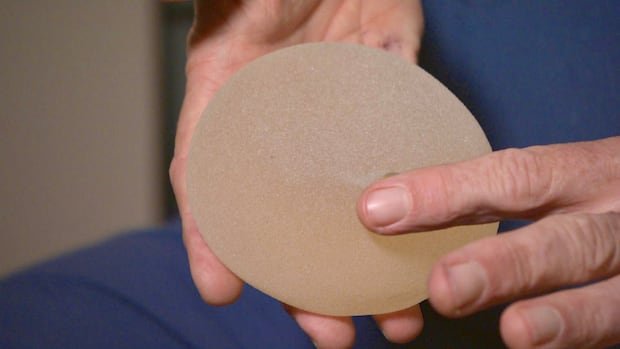

Health Canada recently introduced a new voluntary registry allowing patients and healthcare professionals to receive direct alerts regarding breast implant recalls and safety concerns. However, some patient advocates and medical experts criticize the initiative for not being comprehensive enough.
According to a department news release, Canadians can now enroll to receive notifications aimed at promoting informed decision-making and enhancing patient safety by offering a reliable source of information. This development follows a recommendation from the House of Commons standing committee on health two and a half years ago to establish a national registry with a clear informed-consent form and opt-out option.
The launch of this registry comes after years of advocacy by affected women and investigative efforts by CBC, Radio-Canada, and the Toronto Star, highlighting potential risks associated with breast implants, including a rare cancer and autoimmune disorders. Advocates stress the importance of national registries to promptly alert patients of recalls and gather comprehensive data on device failures and health risks.
Terri McGregor, a patient advocate who battled breast implant-associated cancer in 2015, criticized Health Canada’s decision to implement a voluntary registry as a significant setback for patient safety. McGregor’s lawsuit against manufacturer Allergan alleges a failure to disclose implant risks.
Julie Elliott of the Breast Implant Safety Alliance labeled the new registry as “doomed to fail,” emphasizing that it does not mandate surgeons to discuss it with patients. Healthcare professionals also expressed concerns about the voluntary nature of the registry, citing its ineffectiveness in countries like the United States.
Dr. Jan Willem Cohen Tervaert, a University of Alberta professor studying breast implant health risks, emphasized the necessity of robust registries to detect issues early. Dr. Peter Lennox, a plastic surgeon, criticized Health Canada’s choice of a voluntary model, advocating for mandatory data collection for a more effective registry.
Former committee VP Luc Thériault expressed disappointment with the delayed registry announcement and lack of clarity in Health Canada’s communication. Thériault highlighted the responsibility on Health Canada and plastic surgeons to inform patients adequately.
Despite the announcement of a printable poster for healthcare professionals to educate patients about the registry, questions remain about Health Canada’s decision-making process and implementation timeline, as the department could not provide timely responses.