

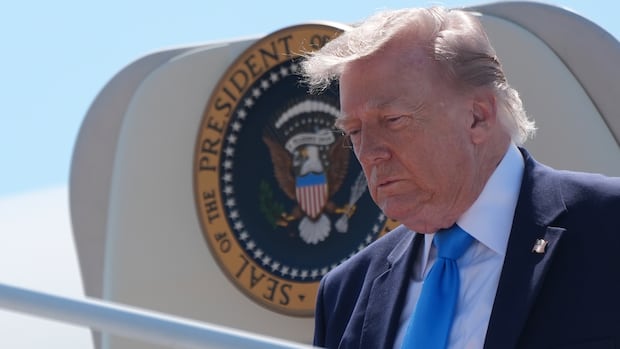

President Donald Trump of the United States is reveling in consecutive wins in his efforts to eliminate opponents from the Republican Party, yet there are unmistakable warnings that his quest for revenge may ultimately backfire.
Recently, Trump successfully influenced Republican voters to prevent two incumbent GOP lawmakers from running for re-election under the party banner this autumn: Rep. Thomas Massie from Kentucky and Sen. Bill Cassidy from Louisiana.
Moreover, Trump endorsed a challenger to Sen. John Cornyn, a Texas Republican who has occupied the position for 24 years but fell out of favor with the president due to perceived disloyalty. “He was not there for me when it mattered,” Trump expressed via social media.
With these Republicans now devoid of significant reasons to seek Trump’s approval, and with seven months remaining in their terms, they are free to oppose him in Congress.
This situation poses a serious risk to Trump’s own legislative and fiscal agendas, especially considering the slim margins by which the Republican Party controls both the House and Senate.
The satisfaction of political revenge could very well turn bitter for Trump. He now faces the possibility of losing support in Congress on matters ranging from authorization for military action in Iran to his ambitious new White House ballroom project.
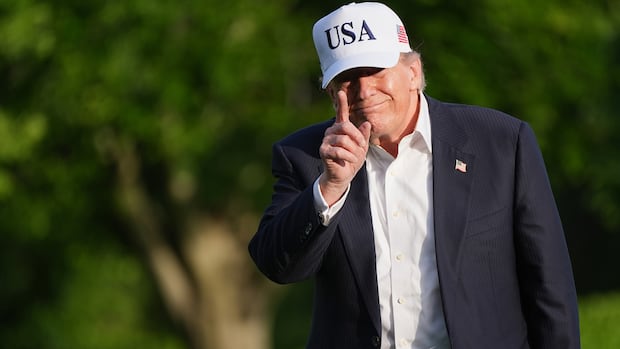
U.S. President Donald Trump declared victory after Republican Sen. Bill Cassidy, who voted for his impeachment, lost his attempt to secure the party’s nomination in Louisiana.
Trump’s efforts to purge critics from the Republican Party may yield significant unintended repercussions for him, according to Matthew Dallek, a professor at the George Washington University graduate school of political management.
“These members will likely seek to retaliate against Trump as they exit,” Dallek told CBC News. “The defeated can come back to harm Trump.”
Trump’s control over Congress weakened
He indicated that this could become evident in the upcoming months if Trump and the Republicans face losses on critical votes in the House, Senate, or both.
Dallek further noted that Trump’s handling of dissent within the party could lead to deeper, far-reaching implications.
“This approach may be a way to diminish your coalition,” he commented. “It’s possible that Trump is playing with fire.”
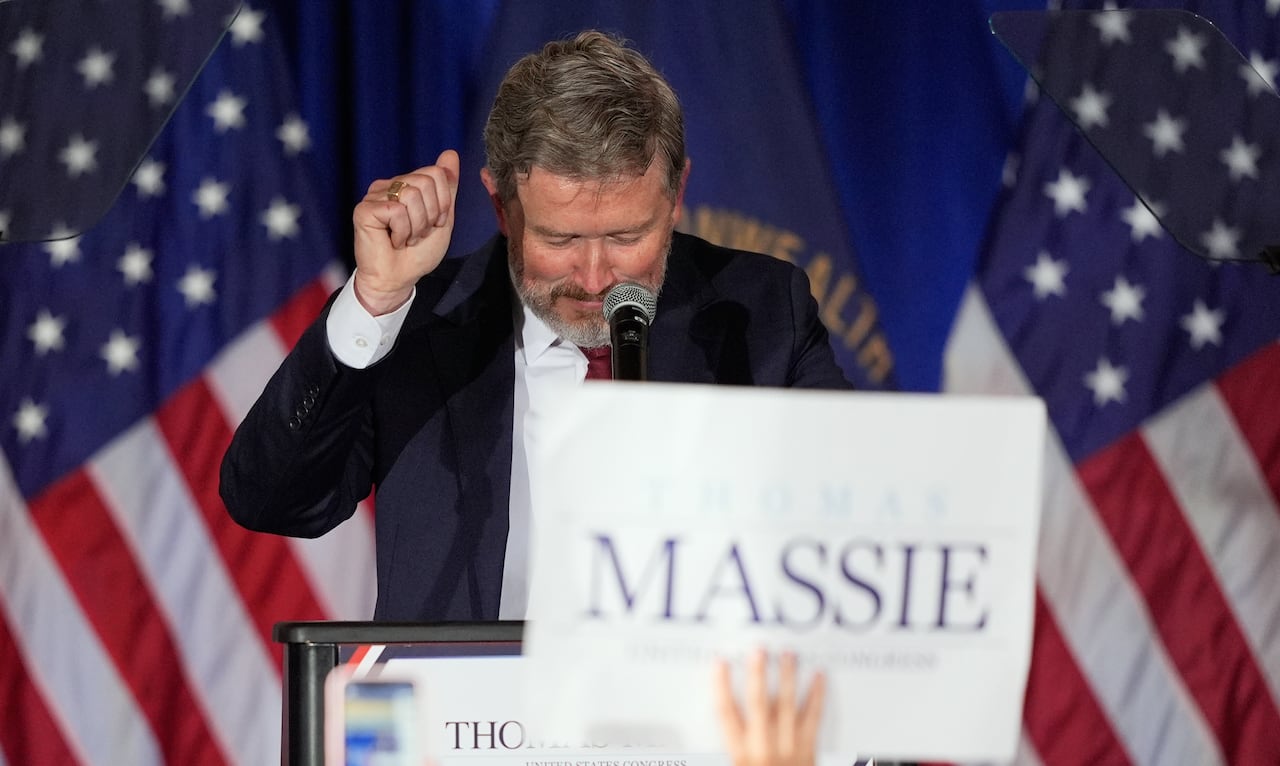
Thomas Massie, a Republican representative in the U.S. House, lost his chance to continue representing the Kentucky district he has held for 14 years after Trump called for his defeat. (Carolyn Kaster/The Associated Press)
Even Senate Majority Leader John Thune acknowledges the potential dangers ahead.
“There are always consequences for challenging U.S. senators,” Thune remarked to reporters on Wednesday. “Our priority here [on Capitol Hill] is advancing the agenda, which can certainly become somewhat more complicated.”
Just 4 Republicans can alter Senate dynamics
With 53 Republicans in the 100-member Senate, the party can afford to lose votes if only four senators choose to break ranks.
Just hours after his defeat in the Louisiana Republican primary to a Trump-endorsed challenger, Cassidy demonstrated his readiness to oppose the president.
On Tuesday, he sided with Democrats for the first time on a resolution aimed at halting military actions in Iran without congressional consent.
“In Louisiana, I’ve heard from many, including President Trump’s supporters, who are worried about this conflict,” Cassidy stated on social media. “No congressional authorization or extension is warranted until the administration offers clarity.”
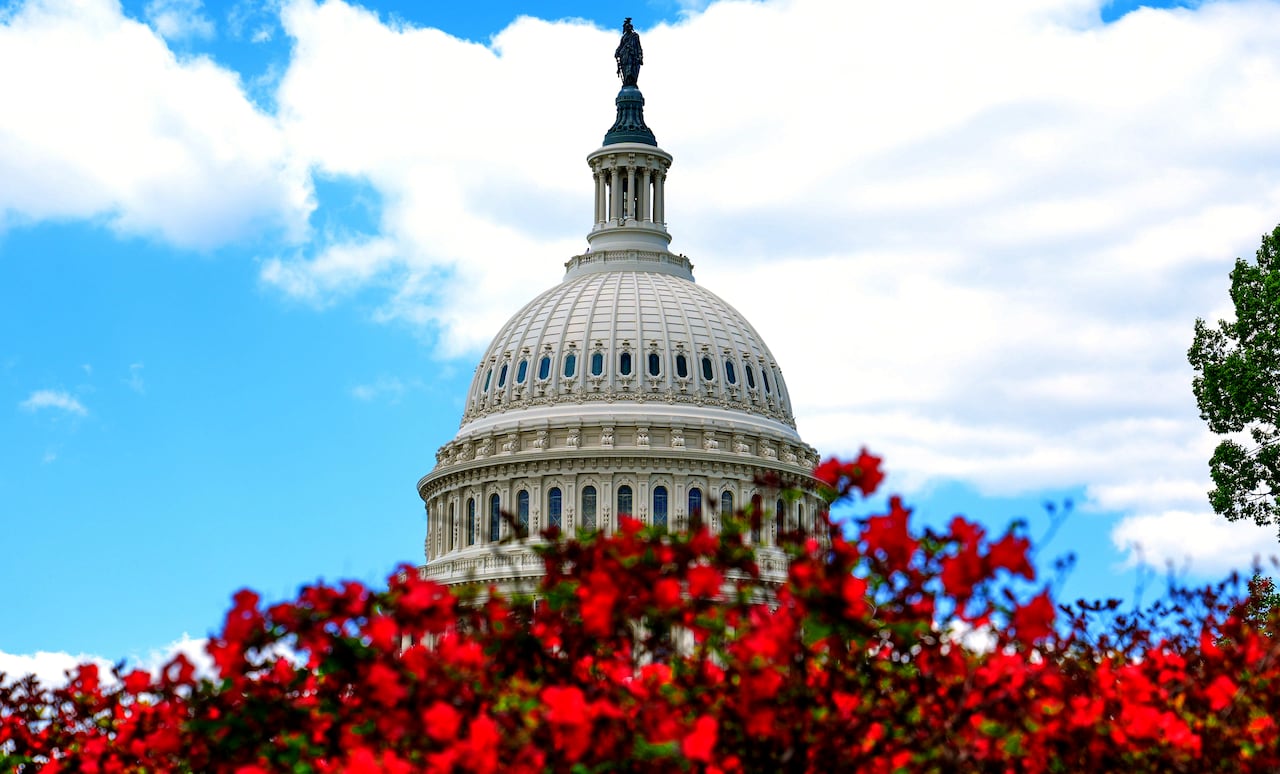
The Republican Party’s grasp on Congress is tenuous, holding 53 of the Senate’s 100 seats and a slim 217-212 advantage over Democrats in the House of Representatives. (Mariam Zuhaib/The Associated Press)
Cassidy’s vote on the war powers measure contributed to its advancement to the next phase in Congress.
Trump’s billion-dollar ballroom proposal faces scrutiny
Also under examination is the $1.8 billion US fund intended to compensate individuals whom the White House claims are victims of the Biden administration’s “weaponization” of the justice system.
The Department of Justice plans to utilize taxpayer funds to establish this fund, contingent on Trump dropping his personal lawsuit against the IRS regarding the 2019 leak of his tax returns to the press.
Cassidy has raised concerns about the proposed fund, labeling it a “slush fund.”
-
Todd Blanche grilled over Trump administration’s $1.8B Anti-Weaponization Fund
-
Trump’s controversial ballroom is getting a new push. How did we get here?
He has also joined several senators expressing hesitation to endorse Trump’s $1 billion request for security upgrades to his White House ballroom.
“When I return to Louisiana and speak to constituents, they are struggling with the cost of food, gas, and healthcare,” Cassidy informed reporters on Capitol Hill. “And we are allocating a billion dollars for a ballroom?”

The Trump administration established a fund of approximately $1.8 billion US to assist Americans facing domestic political persecution, raising questions about accountability and potential beneficiaries of the funds. Andrew Chang discusses the origins of the Anti-Weaponization Fund linked to U.S. President Donald Trump’s own lawsuit and the associated conflict of interest concerns.
Before Trump took action against Cassidy and Cornyn, other Republican senators had already displayed a willingness to challenge the president on various matters, including Thom Tillis of North Carolina, who is retiring, along with the occasionally defiant Lisa Murkowski (Alaska) and Susan Collins (Maine).
In the House, the Republican count stands at 217 against 212 Democrats, with one independent and five vacant seats.
Massie, the Kentucky congressman who lost to a Trump-backed candidate, has already indicated his intention to be a thorn in the president’s side.
-
Thomas Massie’s defeat in Kentucky highlights strong night for Republicans endorsed by Trump
-
Trump is gunning for Republican Thomas Massie, who defied him on Epstein files
In his concession address on Tuesday night, Massie referenced the Epstein Files Transparency Act — legislation he championed — which passed six months prior. He highlighted some prominent figures who have faced fallout due to their connections with Jeffrey Epstein as a result of the disclosures.
“We’ve seen two dozen CEOs, an ambassador, a prince, a prime minister, and a culture minister fall, and that was just in six months,” Massie stated.
He then paused and added with a broad smile: “I have seven months remaining in Congress.”
Trump dismissed worries that his purge might rebound on him on Wednesday.
“I know how to win,” Trump told reporters. “I believe I’ve demonstrated that, haven’t I?”