

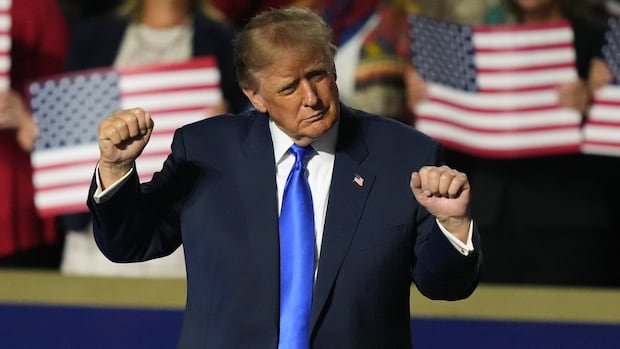

President Donald Trump’s recent pledge to distribute $5,000 to every American citizen hinges on the outcome of the upcoming midterm elections. Referred to as the “Trump dividend,” this promise is contingent on the Republican Party securing control of both the House of Representatives and the Senate on November 3. While the Democrats face a challenging task in wresting control of the Senate from the Republicans, the House remains a viable target given the slim majority currently held by the Republicans.
According to Michele Swers, an American Government professor at Georgetown University, the Republicans’ ability to retain such a narrow majority in the House is highly improbable. Historical data show that the incumbent president’s party has typically lost House seats in the vast majority of midterm elections dating back to the Civil War.
Analyzing past trends, when a president’s approval rating falls below 50%, the average loss for his party in the House is around 32 seats. Trump’s current approval rating stands at approximately 38.5%, based on polling data. Notably, in the 2018 midterms during Trump’s initial term, his party lost 40 House seats despite his approval rating being marginally higher.
The feasibility of Trump’s proposed $5,000 payment to each American citizen raises questions about the financial implications. The Committee for a Responsible Federal Budget estimates the cost to exceed $1.2 trillion, a substantial figure that raises concerns about fiscal responsibility. Trump’s plan to fund this initiative through tariffs adds to the skepticism surrounding the proposal and its economic viability.
Critics, including both Democrats and Republicans, have voiced skepticism and criticism of Trump’s promise, labelling it as a “socialist vote-buying scheme.” The proposal has been met with resistance and concerns about its fiscal implications, with some questioning the enforceability of the stipulation that the money must be spent within the United States.
As the midterm elections approach, Trump’s strategic move to incentivize his supporters with the promise of financial gain underscores the economic concerns gripping voters. With polls consistently highlighting the rising cost of living as a top voter concern, Trump’s offer of a $5,000 payment reflects an acknowledgment of the economic challenges facing Americans.