

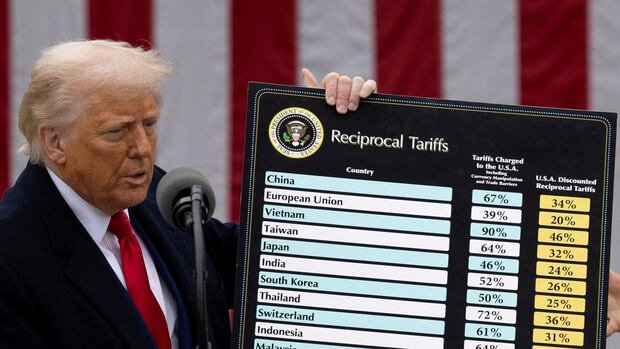

The Trump administration initiated a trade investigation on Wednesday to address surplus industrial capacity in 16 major trading partners, following the U.S. Supreme Court’s recent ruling that dismantled a key aspect of Trump’s trade strategy. Notably, Canada is not included in this investigation. The investigation, conducted under Section 301 of the Trade Act of 1974, could result in the imposition of new tariffs on countries such as China, the European Union, India, Japan, Mexico, and South Korea by the summer.
Apart from the mentioned countries, other trading partners under scrutiny for excess capacity include Taiwan, Vietnam, Thailand, Malaysia, Cambodia, Singapore, Indonesia, Bangladesh, Switzerland, and Norway. With the aim of compensating for lost revenues post the Supreme Court decision, Trump’s team is exploring alternative avenues to enforce tariffs using different legal frameworks.
The administration’s move to kick off investigations under Section 301 could potentially lead to the introduction of new import taxes. U.S. Trade Representative Jamieson Greer emphasized during a press call that the ultimate goal is to safeguard American jobs, although the outcome of the process remains uncertain.
This development marks the resurgence of tariff disputes that unsettled the global economy in the past, with the previous tariffs already overturned. Greer advised trading partners to adhere to existing agreements but refrained from guaranteeing immunity against potential Section 301 tariffs.
It is evident that Trump is resolute in pursuing tariffs to address unfair trade practices and reduce the trade deficit, with various tools at his disposal. The government is planning a range of investigations targeting persistent trade surpluses, subsidies, worker wage suppression, and other issues, including a prohibition on goods produced by forced labor.
The administration is under time constraints to conclude its investigations, especially with the impending expiration of the current 10% tariffs on foreign-made goods. Plans to increase this tariff to 15% are on hold for now. On the international front, reactions from the EU and Asian countries vary, with concerns raised over potential deviations from existing trade agreements.
While the U.S. and EU deliberation on a trade deal in Turnberry, Scotland continues, China and Taiwan have expressed their stances against unilateral tariff measures and are closely monitoring the developments arising from the Section 301 investigations. Indonesia, too, emphasizes adherence to its trade agreement with the U.S. as the foundation for bilateral trade relations.