

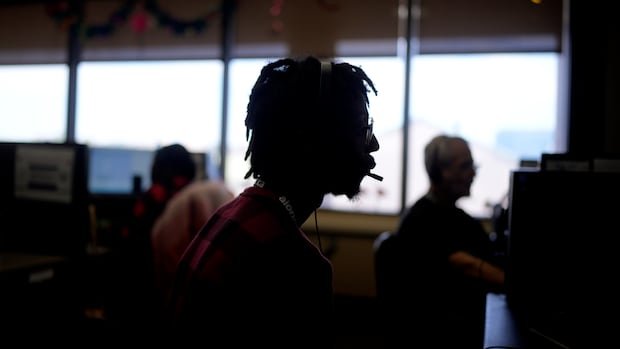

Telecom employees are urging the government to impose limits on the utilization of artificial intelligence within the industry, citing concerns that AI is being used to oversee workers and alter the accents of international call center agents. The Canadian Telecommunications Workers Alliance raised these issues on April 30 during a session with the House of Commons’ standing committee on industry and technology in Ottawa.
Representing 32,000 workers in Canada’s telecom sector, including employees from companies like Bell, Rogers, and Telus, the alliance, which comprises major unions such as Unifor, the United Steelworkers union, and the Canadian Union of Public Employees, voiced apprehensions regarding the deceptive use of AI technology. Roch Leblanc, the director of Unifor’s telecommunications sector, highlighted that a company was employing AI to disguise the accents of offshore agents, potentially misleading customers into believing they were interacting with onshore staff.
Over the past 10 to 15 years, approximately 20,000 positions in the telecommunications field have already been lost due to automation and offshoring, with fears that artificial intelligence could exacerbate this trend. Leblanc emphasized that AI is extensively utilized in telecom, not only for worker monitoring but also for tasks like tracking technicians’ movements and analyzing call center conversations to optimize call routing and sales strategies.
The alliance urged governments to regulate AI-based monitoring to alleviate psychological stress and prevent increased workloads on employees. Nathalie Blais, a research advisor with the Canadian Union of Public Employees, emphasized the need for AI to be used ethically for societal benefit rather than for misleading purposes or job elimination. The alliance also proposed the establishment of a permanent federal working group on artificial intelligence to foster collaboration among the government, industry, and civil society on the responsible implementation of AI technology.
In response, Artificial Intelligence Minister Evan Solomon stated that the upcoming national AI strategy by the federal government would address the impacts on the labor market. The alliance also called for enhanced safeguards to protect workers’ jobs, rights, and the security of Canadians’ data.