


An immigration initiative aimed at assisting rural areas in locating skilled workers for challenging job vacancies has resulted in 800 individuals obtaining permanent residency during the initial two months of this year, with numerous applications pouring in for a limited number of slots.
Launched in 2025, the Rural Community Immigration Pilot (RCIP) permits 14 small communities throughout Canada to propose candidates with essential skills for permanent residency in specific sectors.
Each community is authorized to identify up to 25 priority professions relevant to their region, covering a range from healthcare and manufacturing to skilled trades and transportation.
Ward Mercer, who manages the RCIP program for the North Okanagan Shuswap area in British Columbia, noted that last year, his region recommended 340 individuals for permanent residency, with 90 having received PR status by February 28.
He pointed out that the demand for permanent residency among immigrants “vastly exceeds” the available slots, necessitating a strategic approach in determining which professions to prioritize.
His region is actively seeking early childhood educators, auto mechanics, construction tradespeople, and social workers.
“Analyzing the overall labor market, we realize that there were existing foreign nationals who needed to transition to permanent residency,” Mercer explained.
“However, we also observed numerous vacancies and challenging positions that could be filled by foreign nationals due to a lack of local workforce.”
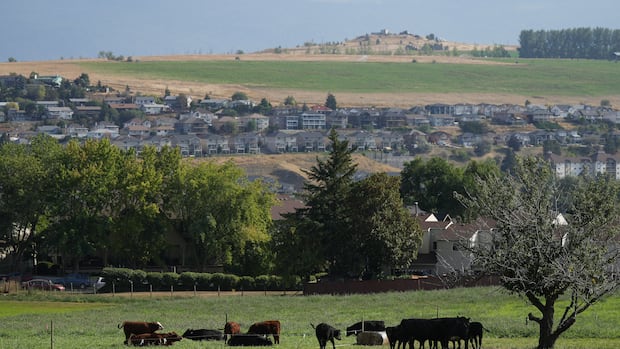
According to the 2021 census, North Okanagan Shuswap had a population of approximately 136,000. Mercer mentioned that the region has a somewhat retirement-oriented demographic, with “a significant portion” of residents not participating in the local workforce due to age.
With numerous young Canadians facing difficulties in securing employment—youth unemployment was reported at 13.4 percent in May, more than twice the national average—there are calls for Canada to concentrate on hiring a greater number of young individuals.
Demand influenced by immigration reductions
RCIP is one of six economic immigration pilot programs. Others include initiatives aimed at attracting francophone immigrants to communities outside Quebec, retaining francophone international students post-graduation, and separate programs for caregivers and agricultural workers.
Collectively, these six programs were allocated around 8,200 permanent residency spots in 2026. A representative from Immigration, Refugees and Citizenship Canada mentioned that specific permanent residency targets for the individual pilots are not made public.
While certain communities are experiencing demand that aligns with the available residency slots, larger centers in provinces such as B.C. and Ontario are witnessing demand that exceeds the number of spaces.
“At this rate, we anticipate receiving over 7,500 applications by the end of the five-year period. We can only recommend between 330 and 350 individuals per year,” Mercer stated.
He explained that the heightened demand is partly a result of broader reductions in immigration, which have compelled many individuals seeking permanent residency to turn to the RCIP.
Mercer noted that while his community has welcomed some exceptionally qualified candidates through the program, there is a human cost for those facing uncertain pathways to a life in Canada.
“Individuals arrive here, desperately wanting to utilize this program, creating opportunities for others to exploit them,” he remarked.
“This situation illustrates the ripple effects of federal policy down to the regional level and within a local pilot program.”