

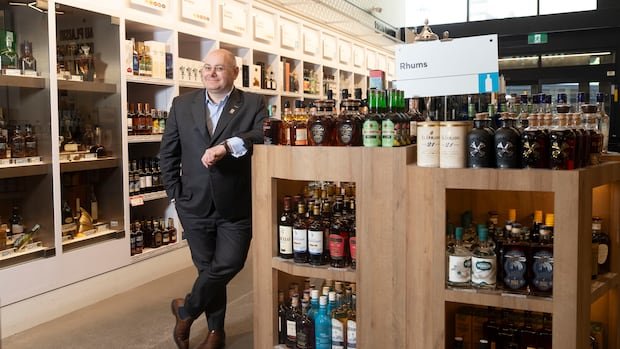

In Quebec, consumers can now easily purchase gin alongside bulk toilet paper at stores like Costco or Maxi, receive swift wine deliveries via Uber Eats, and expect personalized text alerts on liquor promotions in the near future.
The state-owned liquor retailer in Quebec, known as the Société des alcools du Québec (SAQ), is taking proactive measures to sustain its sales amidst a declining alcohol consumption trend. This initiative has sparked concerns among public health specialists who fear that the focus on sales may overshadow social responsibility.
Kim Brière-Charest, a researcher with the Quebec Public Health Association, expressed worries about the increasing strategies aimed at boosting sales, which could potentially have adverse effects on public health and societal costs.
Despite a decrease in alcohol consumption, the SAQ remains a crucial revenue source for the Quebec government, generating $1.4 billion in revenue for the province in 2024-25. The corporation’s President and CEO, Jacques Farcy, is determined to maintain this financial contribution.
The SAQ’s recent strategic plan emphasizes adapting to changing consumer habits. The corporation intends to enhance its presence by establishing more “SAQ Zones” in various retail locations, including grocery stores and convenience stores. The SAQ also plans to utilize personalized messaging to drive sales.
Critics, such as the Institut de recherche et d’informations socioéconomiques (IRIS) and the Canadian Union for Public Employees, have raised concerns about the SAQ’s strategies. They argue that the partnership with Uber Eats and the focus on sales may compromise public health and prioritize economic gains over social welfare.
In response to the criticisms, SAQ spokesperson Laurianne Tardif emphasized that the corporation’s primary goal is to sell alcohol responsibly and generate dividends for public funding. The SAQ Zones and Uber Eats partnership are part of initiatives to adapt to changing consumer preferences while maintaining strict oversight and accountability.
Public health experts question the SAQ’s approach, especially considering the substantial economic impact of alcohol-related harms compared to other substances like cannabis. The disparity in retail regulations and promotional activities between alcohol and cannabis sales in Quebec has also raised concerns about health protection and social implications.
Overall, the debate surrounding the SAQ’s sales strategies reflects ongoing discussions about responsible alcohol retail practices and the balance between economic interests and public health considerations.