

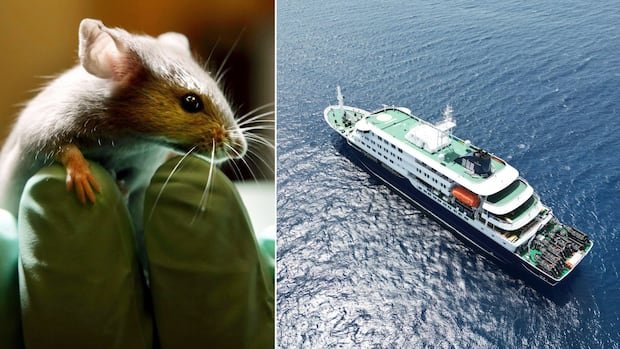

Amid a series of fatalities and illnesses linked to a hantavirus outbreak aboard a cruise ship, health authorities are now investigating the potential for person-to-person transmission contributing to the spread of this dangerous infection. Researchers have detected the Andes strain of hantavirus in two individuals who were on the MV Hondius, a vessel known for its higher mortality rates and previous instances of transmission among people.
Dr. Maria Van Kerkhove, the World Health Organization’s (WHO) director of epidemic and pandemic preparedness and prevention, mentioned that close contact among some cases suggests the possibility of human-to-human transmission. While this scenario may evoke memories of the early stages of the COVID-19 pandemic, experts emphasize that hantavirus is not a significant global concern.
Virologist Angela Rasmussen highlighted that individual cases are typically the endpoint for hantavirus transmission, making this cluster of infections atypical. Despite different strains of the virus, including the Andes variant found in Argentina where the cruise originated, the risk of widespread transmission remains low compared to diseases like influenza.
At least eight individuals from around 150 passengers and crew members aboard the MV Hondius have fallen ill during the ship’s month-long voyage across the Atlantic Ocean. Among them, eight suspected hantavirus cases have emerged, with two confirmed infections so far. Notably, four Canadians are aboard the ship, with no reports of infection among them.
Symptoms reported among the infected individuals include fever, gastrointestinal issues, and a rapid progression to severe respiratory conditions. Tragically, three individuals, including a German passenger and a Dutch couple, have succumbed to the virus. Efforts are underway to trace contacts of these individuals, including passengers from the flight where the Dutch woman fell ill and later passed away in South Africa.
Health officials stress that the general public faces minimal risk, with any potential human-to-human transmission likely occurring in close contact situations. Hantavirus primarily spreads through direct contact with infected rodents or their droppings, rather than through human-to-human contact.
The Andes strain of hantavirus, confirmed in several individuals, can lead to severe respiratory failure known as hantavirus pulmonary syndrome (HPS) with a high mortality rate. While rare, instances of human-to-human transmission have been documented for this strain, particularly in community settings with extended contact.
Previous cases involving human-to-human transmission of the Andes virus have been reported in medical literature, illustrating the virus’s potential for sustained spread among populations. Monitoring of hantavirus infections continues, with a focus on the Andes strain and its unique transmission characteristics.
Although cruise ship outbreaks remain a concern, hantavirus infections are infrequent globally, with limited instances of human-to-human transmission. Health experts emphasize the need for caution, especially in environments conducive to viral spread like cruise ships. Vigilance and protective measures, such as wearing respirators in rodent-populated areas, are key to minimizing the risk of hantavirus exposure.