


Three days following the tragic mass shooting in Tumbler Ridge, B.C., government officials alerted Prime Minister Mark Carney about a shift in online sentiment towards “emerging accountability narratives.” These narratives included inquiries about mental health interventions, firearms accessibility, and potential oversight of warning signs.
According to a memo from the Privy Council Office obtained through the Access to Information Act, the general public reaction was characterized by shock and national mourning. The community expressed strong solidarity and support for the victims, families, and the affected northeastern British Columbia area. The memo highlighted that while confidence in first responders remained strong after the incident that claimed nine lives and injured over two dozen individuals, scrutiny of broader systems was expected to intensify as investigations progressed.
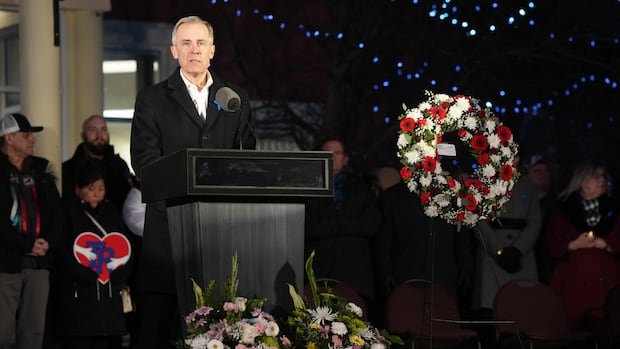
The memo, dated the same day Carney attended a vigil in Tumbler Ridge, summarized details about the shootings and the shooter, Jesse Van Rootselaar. It outlined the federal government’s response and analyzed the public reaction in traditional and online media platforms. The memo also included a “sentiment analysis” that delved into statements from media reports and social media.
Gun control advocacy groups recently renewed their calls for information regarding the firearms used in the February shootings. B.C. Public Safety Minister Nina Krieger stated that the police investigation was nearing completion, but premature disclosure of information could compromise the probe.
The memo warned of increasing polarization on social media, with identity-related narratives, policy debates, and misinformation fragmenting public discourse. It anticipated growing prominence of themes such as mental health concerns and discussions around gun control in the coming days.
Expressing concerns over misinformation, the memo described the sentiment surrounding potential systemic failures as emotional yet analytical, often directed at institutions like law enforcement and regulators. It also cautioned about the polarization tied to the shooter’s identity, leading to hostile exchanges between ideological groups.
The officials concluded that online sentiment was empathetic but susceptible to polarization and misinformation amplification, particularly regarding transgender violence. False claims and misinformation circulating online have fueled anti-trans rhetoric, as confirmed by media reports.
In summary, the memo painted a picture of emotionally charged but empathetic online sentiment, highlighting vulnerabilities to polarization and misinformation amplification in the aftermath of the tragic events in Tumbler Ridge, B.C.