

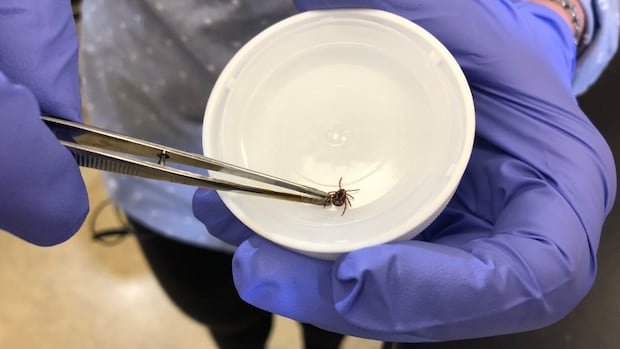

The provincial government in Nova Scotia has allocated $1.2 million to support ongoing research on tick-borne illnesses at Acadia University’s laboratory. Nicoletta Faraone, who heads the Canadian Tick Research and Innovation Centre, emphasized the significance of these funds in establishing and expanding the lab’s operations.
The funding will primarily contribute to the lab’s surveillance program, which focuses on identifying the types of ticks present in Nova Scotia, the pathogens they harbor, and their reactions to various repellents and attractants. Tick bites can transmit diseases like Lyme disease and anaplasmosis to humans, underscoring the critical importance of this research initiative.
With cutting-edge equipment at their disposal, the lab aims to streamline the pathogen-testing process to enhance understanding of ticks and improve preparedness in mitigating exposure to tick bites, according to Faraone.
The financial support stems from Research Nova Scotia’s Focused Research Initiative, backed by the Department of Advanced Education, indicating a concerted effort to address the escalating challenge posed by tick-borne diseases for both people and animals. Stefan Leslie, CEO of Research Nova Scotia, highlighted the necessity of translating research outcomes into practical solutions beyond the laboratory setting.
Recent data from the Public Health Agency of Canada revealed a substantial increase in Lyme disease cases nationwide, with Nova Scotia accounting for 40% of reported instances. Moreover, the prevalence of other tick-borne illnesses such as anaplasmosis is on the rise, emphasizing the urgency of comprehensive research and preventive measures.
Beyond governmental funding, the federal government is also investing $455,000 through the Atlantic Canada Opportunities Agency to support the Acadia University project. This funding will enable the lab to advance its tick-breeding capabilities, eliminating the need to procure ticks from external sources and facilitating in-depth genetic studies of Canadian tick populations.
The breeding program is anticipated to not only enhance research endeavors but also generate revenue by supplying tick specimens to researchers across Canada and internationally. Faraone confirmed the successful initiation of the tick-breeding program at the lab, with ongoing efforts to optimize environmental conditions for tick colony expansion.
The strategic support and collaborative efforts underscore the commitment to combatting tick-borne illnesses and advancing research efforts to safeguard public health.