
Philip Keddy has realized the importance of having a reliable irrigation system after facing challenges during last summer’s severe drought in Lakeville, Nova Scotia.
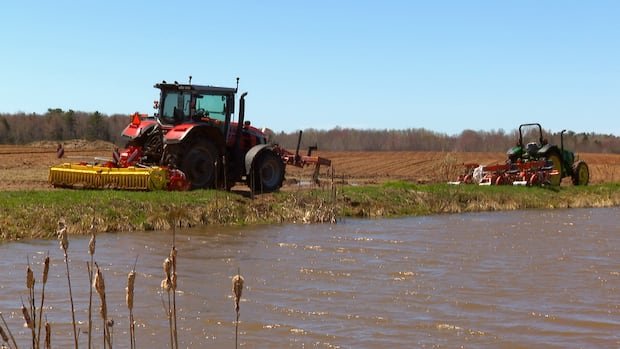
As the owner of Charles Keddy Farms and vice-president of Horticulture Nova Scotia, Keddy invested in new pumps and expanded water capacity by digging more ponds to ensure adequate watering for his crops.
Although the farm’s yield decreased by 25% due to the drought, Keddy believes that without irrigation, the losses could have been significantly higher, ranging from 50% to 75%.
Recognizing the need for increased resilience to extreme weather and climate change, Keddy and other farmers in Nova Scotia are now focusing on enhancing their irrigation capabilities.
To support farmers in dealing with dry conditions, the Nova Scotia Department of Agriculture has increased funding for the On-Farm Water Management Program to $1.8 million from $250,000. This program offers cost-shared assistance for water supply projects like wells and ponds, providing up to $15,000 in support.
Last year, the program saw a significant increase in applications, with 229 applicants compared to 85 the previous year.
-
How Nova Scotia fruit growers are grappling with lingering drought conditions
-
N.S. crops withering in dry conditions, hitting farmers in the pocketbook
In addition, the department allocated an extra $7 million to Horticulture Nova Scotia’s Season Extension Enhancement Program to aid fruit and vegetable growers in extending their growing seasons.
Last year, the program received 121 applications, a significant increase from the 80 applications in the previous offering in 2023.
Through this program, Keddy acquired more irrigation equipment, including pumps and buried lines, to enhance the farm’s water distribution system.
According to Keddy, he has invested around $400,000 in upgrading the farm’s water infrastructure over the past few years.
Emily Lutz, executive director of the Nova Scotia Fruit Growers’ Association, highlighted the long-term impact of the drought on fruit trees, emphasizing the need to protect investments and mitigate losses.