

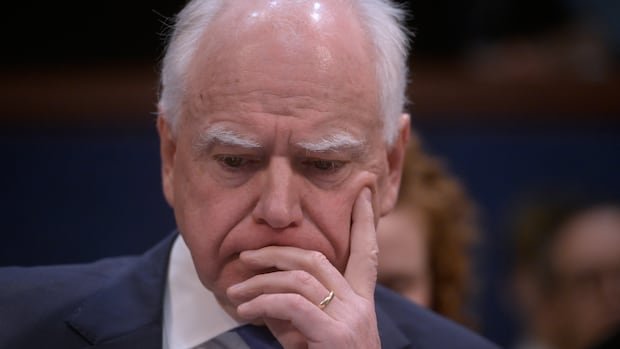

Minnesota Governor Tim Walz announced on Tuesday that the state will not be processing permits for proposed mining projects in the Boundary Waters Canoe Area Wilderness. This decision comes after a federal ban was lifted by the U.S. Congress and President Trump’s administration four months ago.
The Boundary Waters Canoe Area Wilderness, located along Minnesota’s border with Canada in the Superior National Forest, is a popular destination for outdoor enthusiasts. Governor Walz emphasized the importance of preserving this sacred place in its natural state.
Although Governor Walz’s executive order is temporary and set to expire in April, it has raised concerns about potential environmental impacts. Twin Metals Minnesota LLC, a subsidiary of Antofagasta Minerals, has been pursuing mining activities in the area since 2019, claiming they can conduct mining operations without leaving any waste rock above ground.
The lifting of the federal moratorium on mining in the forest by President Trump earlier this year was met with mixed reactions. Governor Walz’s order also prohibits Minnesota regulators from participating in federal environmental reviews related to nonferrous mining in the Rainy River watershed, which is connected to the Boundary Waters.
In response to the governor’s actions, U.S. Representative Pete Stauber criticized the decision, calling it an attack on the region’s way of life. However, Becky Rom, chairperson of Save the Boundary Waters advocacy group, commended Governor Walz for taking steps to protect the wilderness area.
The order issued by Governor Walz has introduced uncertainty for future mining projects in the area. James Coleman, a law professor at the University of Minnesota, highlighted the complexities and potential delays that could arise due to changing political landscapes at both state and federal levels.
Overall, the decision to halt mining permits reflects ongoing debates surrounding environmental conservation and economic development in the region.