

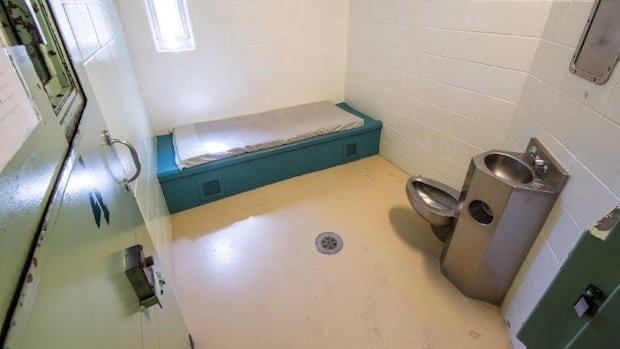

A $129 million settlement agreement in a lawsuit regarding the use of segregation in Manitoba provincial jails for adults and youth has been approved by a Manitoba judge. The decision was made by Court of King’s Bench Justice Theodor Bock in a Winnipeg courtroom after hearing impactful statements from individuals affected by the practice. One of them, a 22-year-old man who experienced segregation as a young teen, described the ordeal as “horribly traumatic” and likely to haunt him for life.
The settlement fund, according to class-action administrator Proactio, is part of a deal where the Manitoba government agreed to resolve the lawsuit without a trial while denying liability. Eligible members of the class-action lawsuit are expected to receive awards starting at $3,000 for adults and $9,000 for youth. Those who were held in segregation for an extended period or suffered specific harms may be entitled to higher compensation, with a maximum amount of $100,000 based on individual circumstances.
The Manitoba class action pertains to three specific groups of individuals who were subjected to solitary confinement, defined as being segregated without meaningful human contact for at least 22 hours a day. This includes youths in Manitoba custodial facilities after September 12, 2006, and individuals who were in segregation for at least 15 consecutive days or while dealing with a serious mental illness after September 12, 2012.
Justice Bock intends to provide written reasons for his decision at a later date, while a spokesperson for Manitoba Justice Minister Matt Wiebe stated that the government acknowledges the court-approved settlement and will refrain from further comment until the written decision is released.
This development in the Manitoba class-action lawsuit aligns with similar legal actions across Canada in recent years addressing the use of solitary confinement, including cases in British Columbia and Ontario.